Dear Editor,
Think about the last time you watched a piece of historical footage or listened to a decades-old recording. Maybe it was a political speech, a clip of a forgotten musical tradition, or a vintage broadcast of everyday life in a city halfway across the globe. Did you feel an instant connection to the past? That is the power of audiovisual heritage. There is a feeling of nostalgia when we listen to or watch recordings of the past. But this heritage is incredibly fragile. Every day, thousands of unique recordings face the threat of physical decay, neglect, and technological obsolescence. Safeguarding fragile audiovisual formats is vital to preserve human history, cultural identity, and collective memory. Audiovisual materials capture the true voices, sights, and sounds of past events. They embody unique community traditions, oral histories, languages, and artistic expressions. Indigenous languages, local music, and community stories live inside these unique recordings.
In 2005, the United Nations Educational, Scientific and Cultural Organization (UNESCO) declared October 27 as the World Day for Audiovisual Heritage (WDAH) during the 33rd session of the UNESCO General Conference in Paris, France. A key initiative by UNESCO and the Coordinating Council of Audiovisual Archives Associations (CCAAA), WDAH is a global commemoration that draws attention to the importance and urgency of protecting films, video, recorded sounds, and digital media. These archives tell the stories of people’s lives and cultures from all over the world, representing a priceless heritage that affirms our collective memory and serves as a valuable source of knowledge.
This year’s theme, “Your Window to the World,” beautifully captures the true purpose of media archives. Audio and video recordings serve as windows that open our eyes to diverse cultures, histories, and identities. They bridge gaps across continents and connect generations, creating a global dialogue rooted in mutual understanding.
When we lose these archives, we don’t just lose old tapes—we lose the windows to our past.
Memory of the World (MoW) Programme
Launched by UNESCO in 1992, the Memory of the World (MoW) Programme is an international initiative designed to protect and preserve humanity’s valuable documentary heritage. The programme maintains international, regional (such as Latin America and the Caribbean via MoWLAC), and national registers to highlight documentary heritage of global or regional importance.
In 2026, the MoW Programme implemented several projects targeting endangered documentary heritage. Among these is an effort to preserve and digitize approximately 45,000 analogue tape recordings held by Radio Mogadishu. This work demonstrates the immense value of audiovisual archives to Somalia’s history and identity. People’s everyday stories, local news, political speeches, entertainment programmes, and music form part of the country’s cultural DNA and must be preserved for future generations.
Honouring our Cultural Guardians
The World Day for Audiovisual Heritage honors the preservation professionals and institutions that safeguard our heritage. Each year, audiovisual archives around the world come together to celebrate their work with events that highlight the vulnerability of these materials. These events raise the profile of the often unheralded institutions providing the protection necessary to ensure long-term accessibility. World Day for Audiovisual Heritage can be integrated into the national curriculum by embedding media preservation, local history, and digital literacy across several core subjects. These ways include teaching students to evaluate audiovisual recordings (speeches, documentaries, news reports) with the same critical lens applied to written texts as well as allow students to explore traditional music, folk songs or theater recordings preserved in national archives, encouraging students to perform or reinterpret them.
Undoubtedly, audiovisual archives serve as powerful storytellers. In the words of Irina Bokova, former Director-General of UNESCO, this heritage carries memories and testimonies, knowledge and ideas, in ways that are vivid and moving and that lay the foundations for better understanding and dialogue between and within generations, as well as between and within societies.
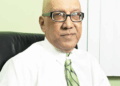
Wayne Campbell is an educator and social commentator with an interest in development policies as they affect culture and or gender issues.
Yours truly,
waykam@yahoo.com
@WayneCamo