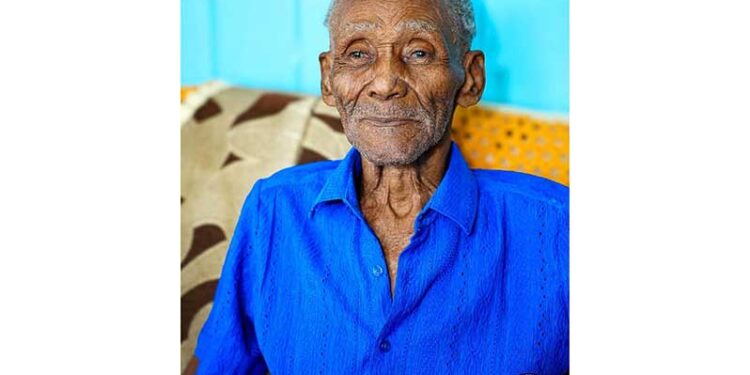
Guyanese-born Jehovah’s Witness Sean Pike has been released from a Russian prison after serving five years for alleged extremist activity linked to his faith, ending a lengthy incarceration marked by reported harsh detention conditions and his lawyer’s allegations of racial discrimination.
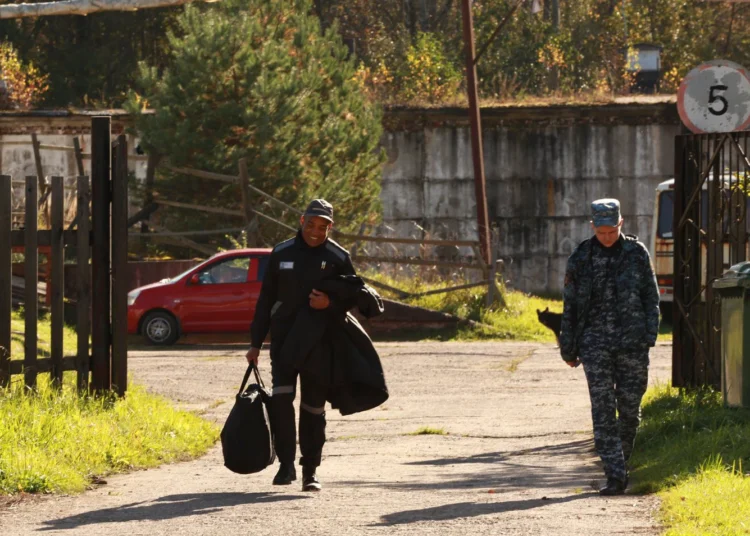
Pike, who was born in Georgetown in 1971 and lived in Russia for more than two decades, was released on October 2, 2026, from Penal Colony No. 9 in Russia’s Novgorod Region, according to reports published by Jehovah’s Witnesses.
His case has drawn attention to religious freedom in Russia, as well as allegations about the treatment he experienced while in custody.
Lawyer alleges racial discrimination
Pike was detained in Moscow in 2021 over his religious activities. According to an account of his detention, on August 27, 2021, when he was 49, he was placed in an overcrowded cell at Detention Centre No. 7 in Kapotnya, Moscow.
Although he was given a mattress, he was reportedly forced to sleep on the floor because of the conditions in the cell.
His lawyer attributed the treatment to what he described as everyday racism, arguing that Pike’s professional background and personal conduct did not justify the conditions in which he was held.
“High-class specialist Sean Pike is not a murderer, not a thief, and not involved in drugs. He’s a decent man. The attitude towards him is caused only by the color of his skin, this is just everyday racism,” his lawyer said.
The allegation adds a racial dimension to a case that has also raised concerns among Jehovah’s Witnesses about the treatment of members of their faith in Russia. The lawyer’s claim represents an allegation about the reasons for Pike’s treatment; the information available does not independently establish that racial discrimination was the cause.
Conviction and imprisonment
Russian authorities prosecuted Pike for allegedly organising the activities of an extremist organisation, a charge linked to his association with Jehovah’s Witnesses.
He was convicted in December 2023 and sentenced to seven years in prison. His appeal was rejected in June 2025.
The prosecution followed Russia’s 2017 Supreme Court decision to ban the religious organisation and designate its entities as extremist. Jehovah’s Witnesses maintain that their members are being punished for practising their faith peacefully, while Russian authorities have pursued cases under laws relating to extremist activity.
Health concerns in custody
During his imprisonment, Pike reportedly contracted COVID-19 and developed hypertension. Following his release, he indicated that he needed a medical examination.
His release ends the prison term imposed by the Russian court, although reports indicate that he remains subject to a further year of restriction of freedom.
It has not been established whether he has returned to Guyana or intends to do so.
From Guyana to Russia
Pike was born in Georgetown in 1971 and studied at the Peoples’ Friendship University of Russia, also known as RUDN University. He previously worked for Guyana’s Ministry of Transport before spending more than 20 years in Russia.
He is married to Tatyana and has two teenage daughters.
His release brings an end to years of imprisonment and separation from his family, but questions surrounding his reported detention conditions and his lawyer’s allegations remain part of the wider debate over religious freedom and the treatment of minorities in Russia.
For Pike and his family, completing the sentence marks a significant turning point after years of uncertainty. His case also illustrates the profound consequences that criminal prosecution can have on individuals and their loved ones when religious activities become the basis for legal action.