Kenyan health authorities are racing to identify and quarantine people who may have been exposed to the country’s first confirmed Ebola case, as the World Health Organization (WHO) warns that the coming days will be critical in preventing community transmission.
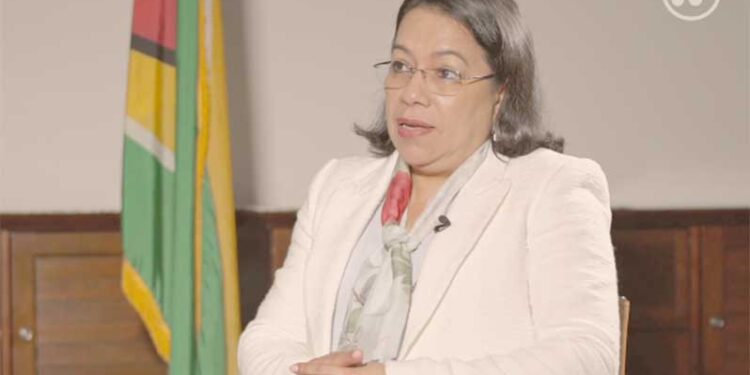
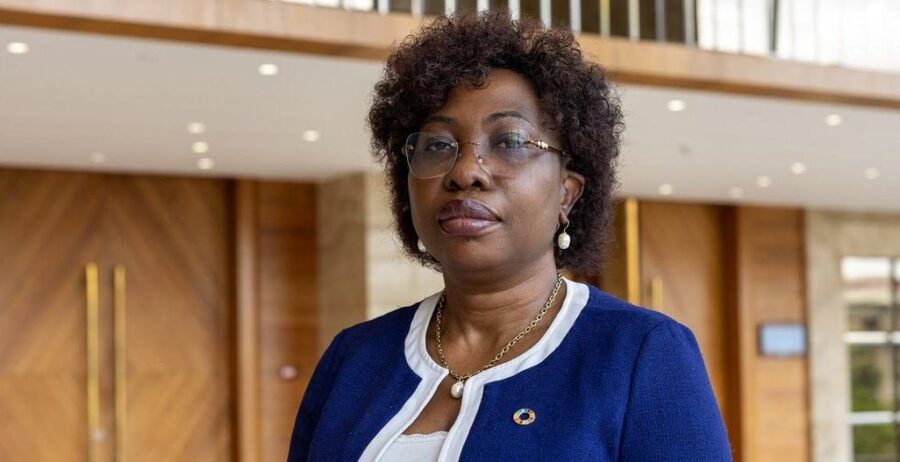
WHO Representative in Kenya Dr. Neema Rusibamayila Kimambo said the confirmed case involved a Kenyan man who had lived in the Democratic Republic of the Congo (DRC) for several years and became ill there amid an ongoing Ebola outbreak in eastern DRC.
The man travelled to Kenya through Uganda on October 3, flying via Kampala and Entebbe to Nairobi. He went directly to hospital after arriving in the Kenyan capital and died on Monday.
Authorities have so far identified people who had direct contact with him, and no additional infections have been reported.
“This is an outbreak of an imported case, one who came in and went straight to hospital, but the Government is working to identify all the relevant contacts as part of their response to this outbreak,” Kimambo told UN News.
Contact tracing underway
Kimambo said about 10 relatives of the deceased have been identified as contacts. Some volunteered information and have been placed under quarantine.
Authorities have also contacted 21 healthcare workers who treated the patient, along with laboratory nurses and other personnel who may have been exposed.
Although the health workers used infection prevention and control measures, Kimambo said the authorities intend to quarantine them as a precaution.
“The plan is to make sure that they are all under quarantine,” she said, adding that decisions had already been taken to quarantine staff of the Nairobi hospital where the patient was treated.
Kenyan authorities are also working with the airline to trace approximately 23 passengers and four crew members who were aboard the flight from Entebbe to Nairobi.
Kimambo stressed that identifying every potential contact is central to containing the outbreak.
“To make sure that we contain this and we do not get community spread, it is critical that all contacts are identified and are quarantined.”
Regional response
The WHO is supporting Kenya, the DRC and Uganda with contact tracing, surveillance, screening and other response measures aimed at detecting additional cases and preventing further transmission.
The agency is also working with the Africa Centres for Disease Control and Prevention to support Kenya and coordinate assistance from other countries.
The case is linked to the Bundibugyo strain of Ebola, a virus that can cause severe illness and death. Ebola is primarily transmitted through direct contact with the blood or other bodily fluids of an infected person, including during care for sick patients or contact with the bodies of those who have died.
Kimambo urged the public to maintain good hygiene, including regular handwashing and use of hand sanitiser, while avoiding unnecessary physical contact with people who may be ill.
She also urged people not to panic.
“I think one key message is not to panic. And the second one is let us take necessary precautions and quickly. If someone is feeling unwell, they should go to a health facility to seek care.”
Critical days ahead
WHO and other UN agencies had already been supporting Ebola preparedness in Kenya following the emergence of the outbreak in the DRC earlier this year.
The International Organization for Migration has been monitoring population movements at borders, while UNICEF has supported community risk management and water, sanitation and hygiene measures. WHO has focused on surveillance, training healthcare workers and simulation exercises.
Kimambo said the immediate priority is to ensure all contacts are identified and monitored during the incubation period.
“I think these next few days are critical because we know the incubation period will start from between two to eight days.”
She added:
“If we are able to ensure that we do proper contact listing, get all contacts, put them in quarantine, then that will be the key to really contain and stop any community spread.”