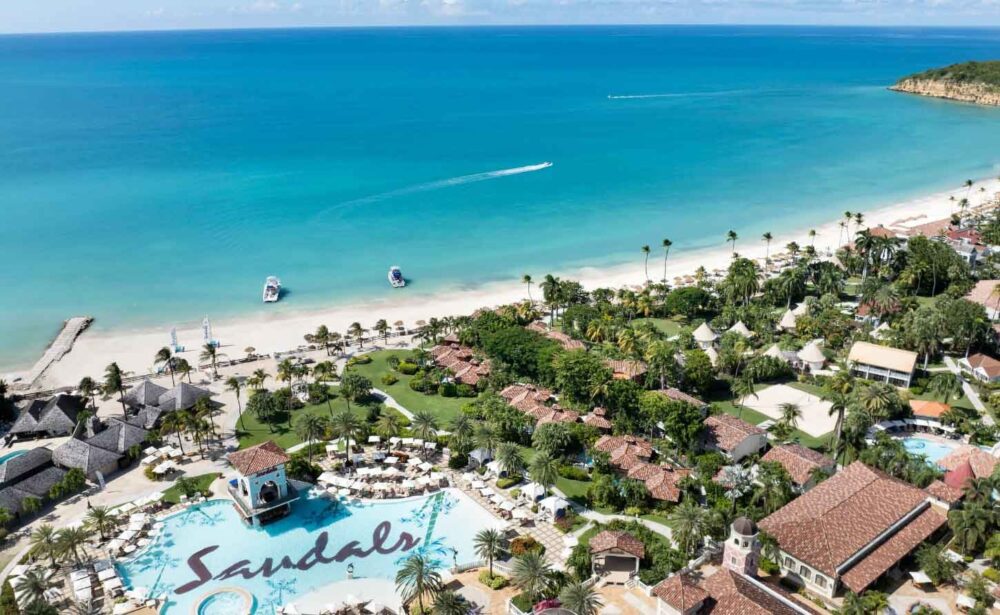
A US$3 billion partnership between Jamaican-born Sandals Resorts and global cruise giant Royal Caribbean Group is raising questions in Jamaica about what the landmark investment will mean for workers, local businesses and the share of tourism wealth retained in the country.
Royal Caribbean announced on September 23 that it will acquire a 50 percent equity interest in Sandals and Beaches Resorts for approximately US$3 billion. The transaction is expected to close in early 2027, subject to regulatory approvals and other conditions.
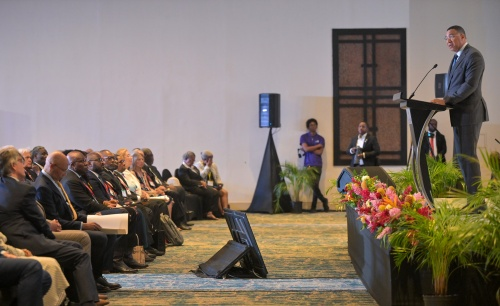
While the deal has been presented as an expansion opportunity, Jamaica’s Tourism Minister Edmund Bartlett says the Government wants greater clarity on its implications for Jamaican workers and businesses.
“We look forward to engaging the leadership of both companies to understand their plans for Jamaica, including their investment priorities, the implications for workers, and the scope for stronger local supply relationships,” Bartlett said.
His intervention comes as Sandals prepares to enter a new phase under a partnership that combines its Caribbean resort operations with Royal Caribbean’s global customer base and distribution network.
Bartlett said discussions should examine opportunities to increase procurement from Jamaican farmers and manufacturers, expand business for attractions and creative enterprises, and strengthen training and career development for tourism workers.
The questions are significant because the transaction places a US$3 billion value on a 50 percent stake in one of the Caribbean’s best-known homegrown tourism enterprises. The deal implies an overall valuation of roughly US$6 billion, while financial analysis reported by the Jamaica Gleaner indicates the transaction implies annual forward EBITDA of about US$600 million for Sandals as a whole.
Workers assured
Sandals Executive Chairman Adam Stewart has sought to reassure employees that the transaction will not immediately alter their jobs.
Staff have been told that their roles, responsibilities and day-to-day operations will continue as usual. Stewart has described the partnership as the beginning of a growth strategy designed to expand Sandals and Beaches into new markets and destinations.
The companies have also said existing reservations, loyalty programmes and resort operations will continue as usual.
Sandals currently operates resorts across several Caribbean destinations, while Beaches serves the family-oriented segment. The partnership is expected to provide additional capital and access to Royal Caribbean’s extensive international customer base.
Who benefits from the growth?
That expansion raises a broader economic question for Jamaica — whether increased international investment will translate into sustained gains for Jamaican workers, farmers, manufacturers and other local businesses.
Bartlett has specifically placed local linkages at the centre of the Government’s response, saying future growth must strengthen Jamaican participation in tourism and retain more economic value within the country.
Sandals, meanwhile, says it already maintains significant local purchasing relationships. Stewart said more than 80 percent of the fruits and vegetables used by Sandals in Jamaica come from local farmers.
The company is also undertaking a reported US$200 million redevelopment of three Jamaican properties, adding another layer to the potential employment and procurement impact of the investment.
The transaction therefore goes beyond a change in corporate ownership. Its significance for Jamaica will also be measured by whether the promised expansion produces more stable employment, stronger opportunities for Jamaican suppliers and greater participation by local communities in the wealth generated by the tourism industry.
The US$3 billion partnership is expected to close in early 2027. Until then, the central issue for Jamaica remains how the new investment structure translates into tangible benefits for the workers and businesses that underpin the country’s tourism economy.