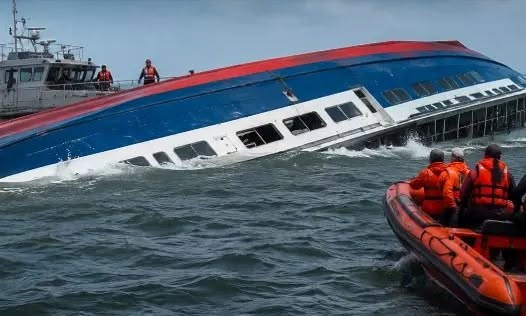
By Mark DaCosta-Seven weeks after the MV Barima plunged to the seabed off Guyana’s Essequibo coast, the nation is still waiting for answers, while grieving families remain trapped in a nightmare of uncertainty. In a statement issued on September 11, the A Partnership for National Unity (APNU) said 73 deaths have been confirmed and approximately 30 people remain unaccounted for following the July 18 disaster involving the state-owned ferry, a vessel built in 1939 that was carrying an estimated 179 passengers and crew when it capsized and sank about seven miles from shore en route to Port Kaituma.
These are not statistics to be buried in government statements or reduced to political talking points—they are mothers, fathers, children and loved ones whose families are still waiting for answers, accountability and the most basic measure of closure: knowing what happened to those they lost.
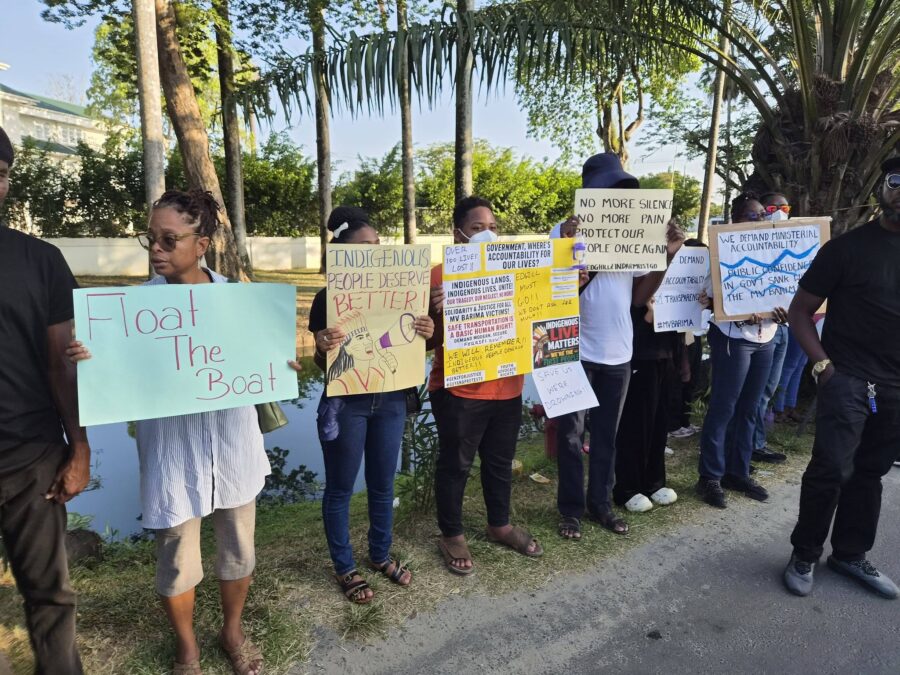
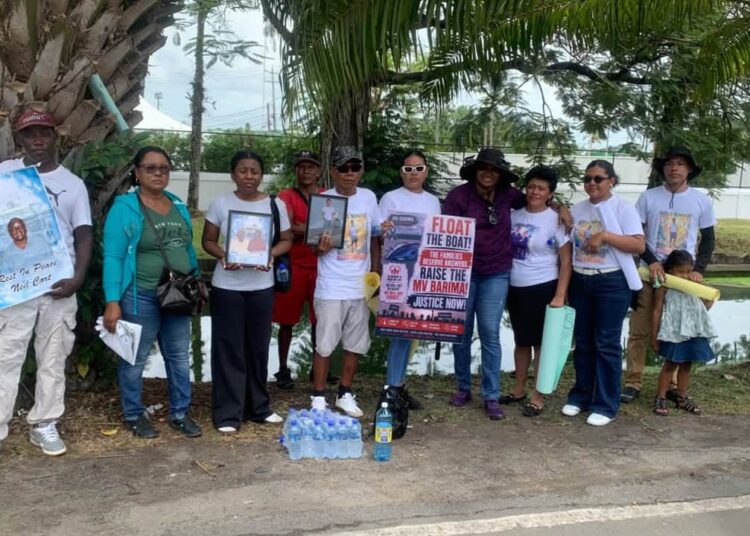
That denial was made plain on the 8th of September, when grieving relatives once again gathered outside the Office of the President, pleading for the recovery of the vessel and for straightforward answers. In a country that now earns billions from oil, citizens should never be forced to stage street protests simply to learn what became of their missing loved ones.
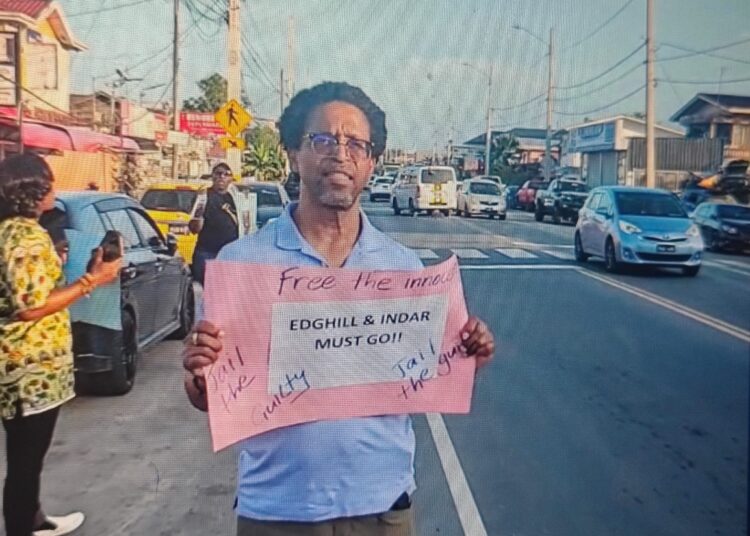
Yet the government appears to have settled into a familiar pattern of deflection: three workers — the captain and two crew members — remain locked away on remand, their preliminary committal proceedings not scheduled until mid-November, while no investigation has yet examined whether those at the policy level, the Ministers themselves, ignored warnings from workers about the vessel’s unseaworthiness. Holding deckhands in prison protects no one except those whose signatures mattered.
The official machinery is moving, but at a pace that mocks the urgency of grief. Salvage bids were only opened this month, with the government insisting that any contractor must demonstrate how forensic evidence will be documented and preserved . Meanwhile, the five-member international Commission of Inquiry, sworn in back in July after President Ali announced its establishment, said only this month that it is preparing for public hearings. A tender opening is not a raised hull. Preparations are not a concluded inquiry. Days are passing; answers are not coming.
The machinery of justice, meanwhile, has moved swiftly only downwards. Captain Kevin Price and two crewmen were slapped with 77 counts of murder weeks ago, yet prosecuting the men at the wheel cannot answer the questions that matter: who certified this elderly vessel as fit, who loaded her with heavy government cargo, who signed the inspection certificates, and who received and ignored the distress calls that night.
The public is entitled to know who bid for the salvage, at what price, under what criteria, and on what dated timetable. Technical risks must be explained honestly, qualified specialists employed, and every workable effort made to bring home the missing in accordance with each family’s wishes. No family should be pressured into surrendering legal rights or silence in exchange for promised support — grief must never become a public-relations inconvenience.
The coalition says that the Public Works Minister Juan Edghill and Public Utilities Minister Deodat Indar must account publicly for decisions within their portfolios; where failures are proven, consequences must climb all the way to the ministerial door.
And while the inquiry grinds forward, the government must act now to protect the living: independent safety checks across the entire passenger fleet, enforcement of passenger and cargo limits, verification of lifesaving equipment, and tested emergency-response arrangements. The families of the MV Barima deserve truth, dignity and justice — and our country deserves safe seas and an accountable government. Oil wealth must improve lives, not purchase delay, excuse and impunity.