


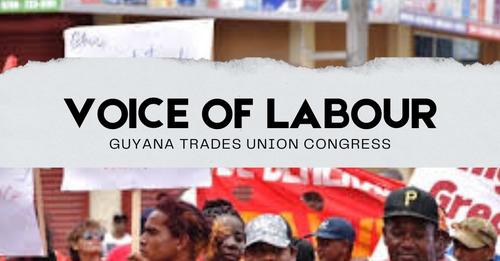
A dangerous habit is taking root in our society: we are becoming too comfortable with the erosion of rights that previous generations fought, struggled and, in some cases, sacrificed to secure.
Freedom of association. Freedom of peaceful assembly. Freedom of expression. The right to protest. The right to organise. These are not gifts bestowed by governments. They are fundamental rights and, from the standpoint of the trade union movement, the foundation upon which workers have built their collective strength.
A worker standing alone can be ignored. Workers standing together are far harder to dismiss. That is why trade unions have always understood the importance of freedom of association. The right to organise, form unions, hold meetings, march, protest, speak publicly and collectively demand better conditions is inseparable from the struggle for decent wages, job security, safe workplaces and human dignity.
Take away those freedoms and you weaken the worker. That is why we must speak whenever fundamental rights are threatened — regardless of who is responsible, who is targeted or which political party may benefit.
Our commitment to democracy cannot depend on whether we like the person whose rights are being challenged. If we defend freedom only when it protects our political friends, then we are not defending freedom. We are defending political convenience. And that is a dangerous road.
Today, it may be an opposition politician, a critic, a protester or an organisation with which we disagree. Tomorrow, it could be a trade union, a union leader, a group of workers demanding better wages or ordinary citizens protesting a decision they believe is unjust.
Once the principle is established that those in authority can silence, intimidate or restrict people because their voices are inconvenient, no one should assume that such power will always be used against someone else. The labour movement knows this history.
Workers’ rights were not secured because governments suddenly became generous. They were won because workers organised and fought. They marched. They protested. They withheld their labour. They demanded recognition. They challenged authority.
Every generation inherits rights that another generation fought to obtain. But rights can also disappear when a generation becomes too afraid, too divided or too politically loyal to defend them. That is why silence is not neutral. When fundamental freedoms are threatened and we remain silent because we dislike the person involved, we help normalise the very conduct that may one day be directed against us.
The responsibility of the trade union movement must therefore extend beyond wages and working conditions. Unions must defend the democratic space in which workers exercise their rights.
Freedom of association is meaningless if people are afraid to associate.
Freedom of assembly is meaningless if people are afraid to assemble.
Freedom of expression is meaningless if people are afraid to speak.
And democracy is meaningless if citizens are expected to remain silent while those in authority escape scrutiny. We must resist the temptation to ask, “Whose rights are being violated?” The first question must be: “Are rights being violated?” Once we begin deciding whose freedom deserves protection, we have already surrendered the principle of freedom itself.
The trade union movement has a long tradition of standing together. That solidarity must not end at the factory gate, the workplace or the union hall. We must speak when others are threatened because, one day, we may need others to speak when we are threatened.
The message must be clear-We cannot defend workers’ rights while remaining silent as fundamental freedoms are eroded. We either defend these rights for everyone — or eventually risk having them for no one.





![Rescuers search for survivors in a collapsed building after a powerful earthquake struck Turkey's western coast and parts of Greece [Ozan Kose/AFP]](https://sp-ao.shortpixel.ai/client/to_webp,q_glossy,ret_img,w_120,h_80/https://villagevoicenews.com/wp-content/uploads/2020/10/Rescuers-1.jpeg)


