There are now two Guyanas, and the distance between them grows wider with every celebration.
One Guyana is showcased to the world. It is a nation of glittering state receptions, lavish banquets and impeccably staged ceremonies for visiting heads of government and foreign dignitaries. Tables overflow with delicacies, speeches extol record oil production, and officials proudly proclaim that Guyana is the world’s fastest-growing economy.
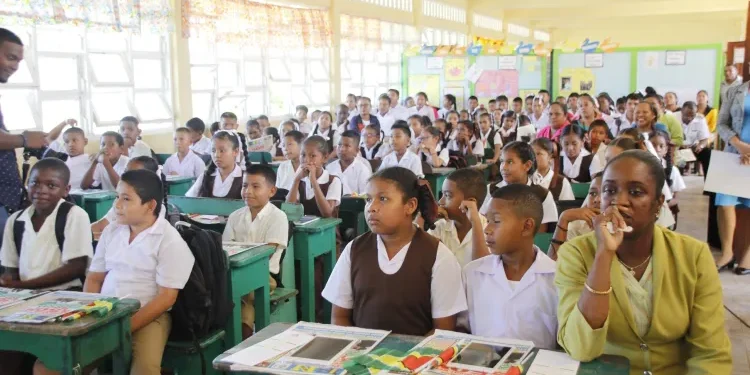
The other Guyana is seldom invited to the table. It is found in villages and wards where mothers stand at corner shops calculating whether they can afford a loaf of bread or must ask for three slices instead. It is where fathers buy a single tennis roll because a full bag is beyond reach. It is where pensioners quietly leave groceries behind at the cashier because their money simply does not stretch far enough. It is the daily reality of thousands of Guyanese.
No one begrudges diplomacy. Every nation must welcome foreign leaders with dignity and hospitality. But there is a profound difference between representing a country with pride and projecting an image of prosperity while many of its citizens struggle to meet the most basic human need: putting food on the table. That contrast has become impossible to ignore.
Guyana today possesses wealth unimaginable just a decade ago. Billions of US dollars have flowed from offshore oil production. Budget after budget has broken spending records. Government officials routinely celebrate economic milestones and investment successes. Yet, for too many citizens, prosperity remains something they hear about, not something they experience.
Economic growth is meaningful only when it improves ordinary lives. Gross Domestic Product (GDP) cannot satisfy hunger. Oil production cannot reduce the anxiety of parents wondering where tomorrow’s meals will come from. International praise offers little comfort to families forced to choose between buying bread, paying utility bills or purchasing medication.
Perhaps the most painful aspect is not the persistence of poverty itself. Poverty existed before oil. It is the appearance of indifference.
When those entrusted with governing appear more comfortable celebrating abundance than confronting deprivation, public confidence begins to erode. When extravagant displays of hospitality become commonplace while citizens struggle with the rising cost of living, many understandably question whose prosperity is actually being celebrated.
Leadership demands more than announcing impressive economic figures. It requires empathy. It requires the humility to recognise that national success cannot be measured solely by GDP, foreign investment or oil revenues, but by whether ordinary people can live with dignity.
A country cannot honestly claim to be prosperous while families still ration food, children attend school hungry and elderly citizens stretch inadequate pensions to survive another month.
Guyana’s oil wealth presented an opportunity unlike any in its history—not merely to enrich the Treasury, but to transform the lives of its people. That transformation remains incomplete for far too many.
The greatest indictment of our time is that in the world’s fastest-growing economy, some citizens still cannot afford a loaf of bread. They settle for three slices. Some cannot buy a bag of tennis rolls. They buy one. This is sad, to say the least.
History will not judge this era by the splendour of its state banquets or the number of dignitaries entertained. It will judge whether unprecedented national wealth reached the people whose labour, taxes and sacrifices helped build this country. Until every Guyanese can feel the benefits of this prosperity in their own home, there will remain two Guyanas: one dining under chandeliers, the other counting coins at the village shop.