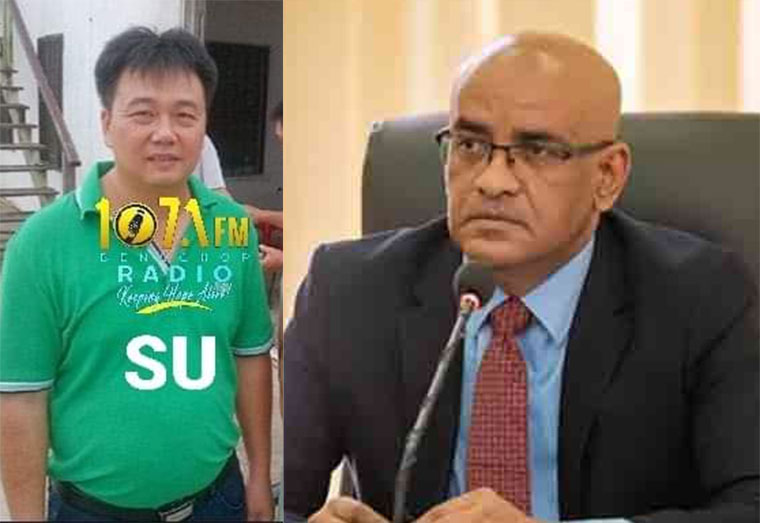
By Mark DaCosta-Fresh scrutiny of the Wales Gas-to-Energy project has placed Vice President Bharrat Jagdeo and the family of Chinese businessman Su Zhirong at the centre of troubling allegations involving procurement practices, political connections, and possible conflicts of interest.
A recent report by Kaieteur News outlines claims that the project’s execution may have been influenced by relationships tied to senior government figures, raising concerns about transparency and fairness in one of Guyana’s most significant infrastructure undertakings.
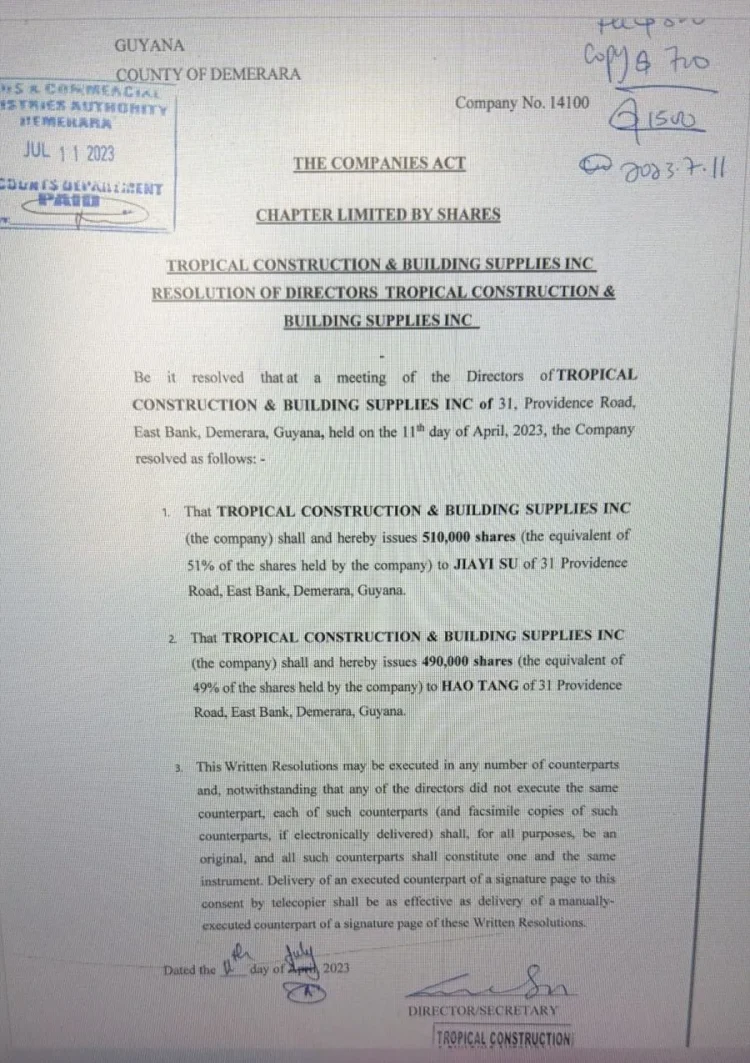
Central to the controversy is the involvement of Tropical Construction and Building Supplies Inc., a subcontractor linked to the Wales project. Records show that the company is majority-owned by Jiayi Su, the daughter of Su Zhirong—an individual previously implicated in discussions about securing state contracts. The firm was not part of the original bidding process but was later introduced as a subcontractor by main contractors Lindsayca-CH4, prompting questions about how it entered the project and whether procurement rules were bypassed.
The allegations revive concerns first brought to light in the 2022 Vice News exposé “Guyana For Sale,” which captured Su Zhirong allegedly discussing the use of informal payments or “service fees” to secure business, while referencing high-level connections. Though Jagdeo has publicly denied wrongdoing, the resurfacing of these links has intensified questions about oversight and accountability in state projects.
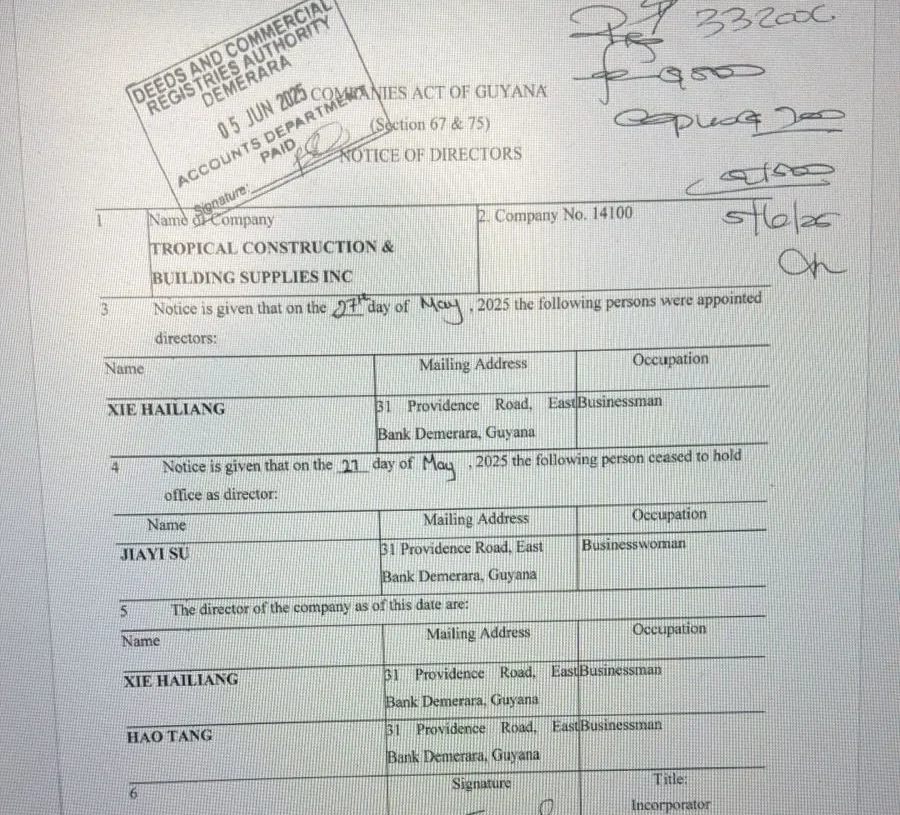
The situation has raised broader questions about the role of the Gas-to-Energy Task Force and whether due diligence was exercised in approving subcontractors. Reports suggest that potential conflicts of interest may have been overlooked, allowing entities with close personal or familial ties to benefit from public contracts.
Jagdeo, who has been a prominent voice on Guyana’s energy transformation, has maintained a relatively low profile amid the controversy. Responsibility for aspects of the project has been delegated to consultant Winston Brassington, while Prime Minister Mark Phillips has taken a more visible role in addressing public concerns and assuring citizens of the project’s progress.
The unfolding developments point to deeper systemic issues within Guyana’s procurement framework. Allegations of “service fees” and insider access have renewed fears that public resources may be disproportionately benefiting a select group, undermining confidence in governance at a time when the country is managing unprecedented oil-driven wealth.
With billions of dollars at stake and the project positioned as a cornerstone of Guyana’s energy future, the allegations now confronting the administration have elevated the issue beyond routine criticism. They have become a test of whether transparency and accountability will prevail—or whether questions surrounding power, influence, and privilege will remain unanswered.