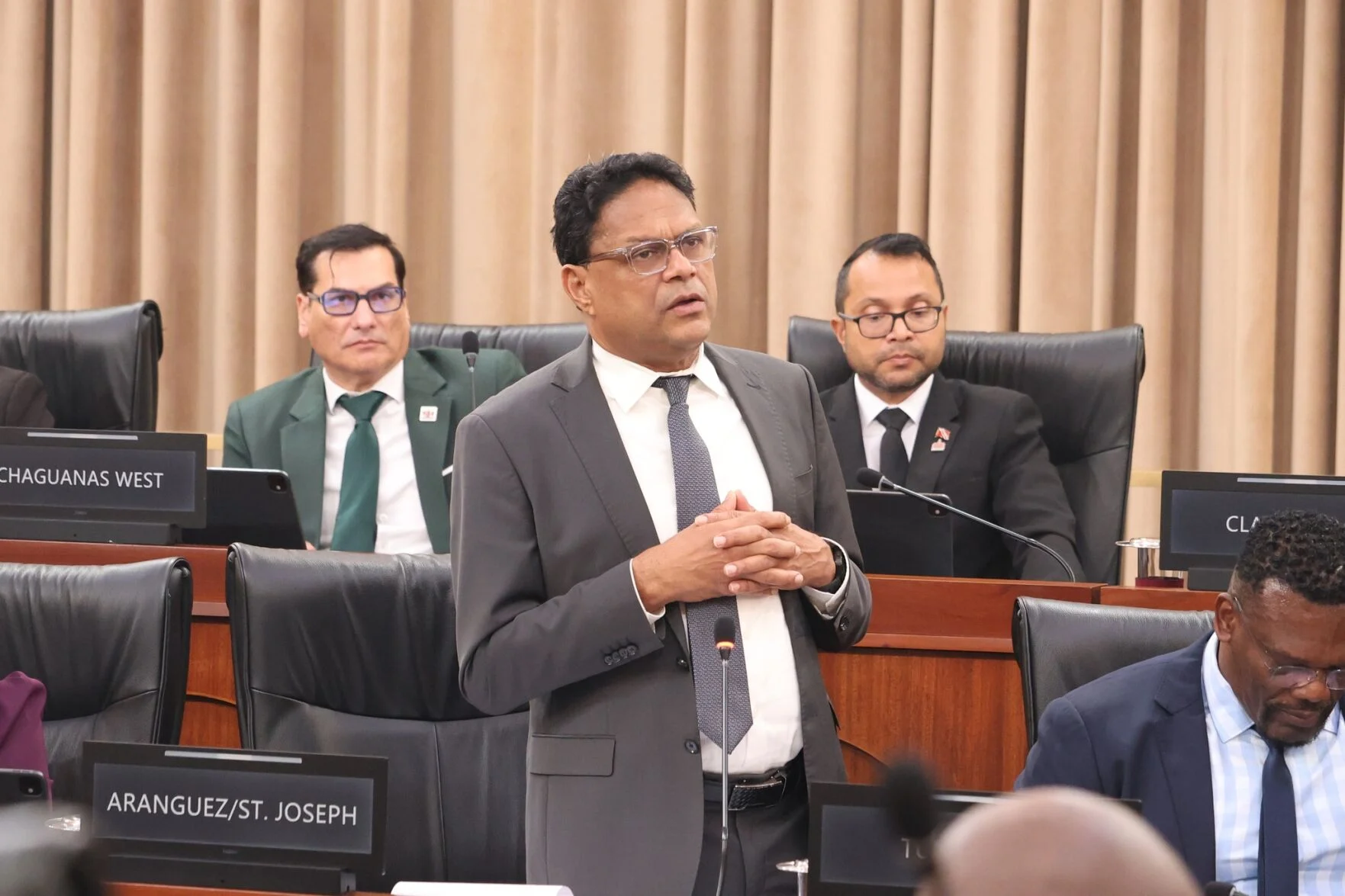
A “revolutionary” Victims’ Rights Bill aimed at transforming the treatment of crime victims across Trinidad and Tobago’s justice system will be piloted in the Senate today by Justice Minister Devesh Maharaj.
The legislation empowers victims of crime by providing avenues to access compensation and ensuring that police provide victims with updates on investigations at regular intervals.
Further, prosecutors must inform victims about charges, hearings, outcomes, and appeals, and victims must be told about bail decisions and any protective conditions imposed on accused persons.
The Director of Public Prosecutions (DPP) will also be required, in key instances, to consult victims before making major decisions, such as dropping charges, accepting plea deals, and appealing sentences or acquittals.
Given that Trinidad and Tobago recorded issues where victims have lamented about their treatment at police stations and not getting justice at the courts in a timely manner, the Express contacted the Justice Minister and asked how realistic will it be for these sweeping measures to be implemented that will change the manner in which victims are treated.
Maharaj acknowledged that at present there is a significant deficiency where victims are not prioritised but are kept on the sidelines of the criminal justice system.
The legislation, he said, is “revolutionary” and will help efforts to quicken the pace of justice being delivered through these measures of accountability.
“Of course, it’s going to take a little while to get all the agencies oriented around it, but we will have awareness programmes to get everybody together on board. We expect some teething challenges, but it’s very revolutionary,” he said.
The Minister said work is in train to address the multiplicity of issues that cause justice to lag.
“There’s a huge backlog and we are trying to get rid of that,” he said.
Maharaj said they are looking to assist the DPP with more prosecutors and public defenders.
The Express noted that the Victims’ Rights Bill speaks to further strengthening financial redress by allowing victims to seek compensation directly from offenders through the courts and enabling applications for State-funded compensation or financial assistance where other mechanisms do not apply.
Maharaj said that at present there is the Criminal Injuries Compensation Board which provides support for victims. He said this will be brought under one comprehensive piece of legislation.
He also noted there is the Criminal Procedure Plea Discussion and Plea Agreement Act, where victims are currently afforded an opportunity to have their voices heard in the sentencing process, and this too will be brought under the Victims’ Rights Bill.
The Minister said there is a category of offences where victims can seek compensation through a process, and about $1.2 million, he recalled, had been paid to those who qualified.
“You have to quantify the losses. The board sits periodically and approves that payment. So, that is there already within the system,” he said.
The Express obtained a copy of the Victims’ Rights Bill and examined its provisions.
It seeks to formally recognise and codify the rights of victims—from the moment a crime is reported through to the conclusion of court proceedings and beyond—marking a significant policy shift in a system traditionally centred on the accused.
The Bill establishes that victims are no longer passive participants but recognised stakeholders in the justice process.
It defines a “victim” broadly to include not only the directly affected individual, but also family members and even witnesses to an offence, regardless of whether an offender is identified or convicted.
The legislation explicitly states that victims must be treated with courtesy and compassion, dignity and respect, and consideration for their safety and personal circumstances.
It also introduces a key policy objective: reducing secondary victimisation, where victims suffer additional trauma through their interaction with law enforcement and the courts.
The Bill introduces safeguards to protect victims during court proceedings, including minimising contact between victims and accused persons, protecting victims from intimidation, and ensuring victims understand court processes and their role as witnesses.
It also guarantees that victims can attend proceedings unless the court orders otherwise.
For the first time in a structured legislative framework, victims will have the formal right to present impact statements before sentencing, allowing courts to consider the emotional, psychological, and financial toll of a crime.
It also mandates the proper handling and timely return of victims’ property used in investigations.
The legislation places strict limits on the disclosure of victims’ personal information, including contact details, except where authorised by law.
Authorities will also be required to:
– provide information on available support services such as counselling and legal aid
– tailor communication to the victim’s needs, including language, disability, or age considerations
Victims will have the option to nominate a representative to act on their behalf, particularly in cases where they are unable to do so.
A key accountability feature of the Bill is the establishment of a formal complaints system across all agencies dealing with victims. Victims will be able to-
– file complaints about how they were treated
– seek remedies such as explanations, apologies, and corrective actio
– escalate matters to the Ombudsman if necessary
Additionally, the Minister will be required to report to Parliament every two years on the operation of the Act, including data on complaints, services accessed, and outcomes.
The Bill also mandates the development of training guidelines for police, prosecutors, and victim-support agencies, aimed at ensuring consistent, sensitive, and professional handling of victims.
Trinidad Express