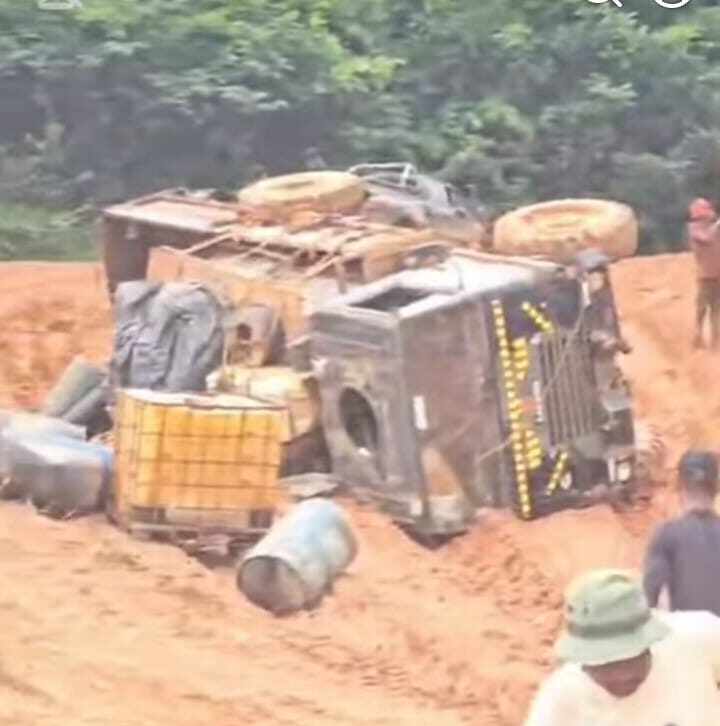
A social media post issued by We Invest in Nationhood (WIN) alleges that contractors working on interior road projects are being forced to pay kickbacks to senior government officials, including ministers, in order to carry out state-funded works.
According to the WIN post, contractors claim that as much as 15 per cent of project funds must be paid to senior officials and engineers, leaving insufficient resources to properly complete projects or earn a reasonable profit.
The allegations come as Minister of Natural Resources Vickram Bharrat is seeking an additional $10 billion in the 2026 budget for interior road works. WIN noted that approximately $9 billion had already been allocated for similar projects last year.
WIN said the new funding is being justified on the basis that improved road access would benefit hinterland communities and small miners. However, the group pointed to the condition of the Suwanda Road as evidence that past spending has not delivered meaningful improvements.
According to the post, the Suwanda Road remains in poor condition, vehicles continue to overturn along sections of the route, and travel time has increased rather than improved.
WIN said contractors working on the projects have described a system in which delays and substandard outcomes are linked to corruption and political interference. The contractors, according to the post, allege that kickbacks to senior government officials and engineers are an “unspoken requirement” and that the payments are taken directly from project budgets.
The post further stated that, after the alleged payments are made, contractors are left with insufficient funds to purchase materials, pay workers and transport equipment to remote locations, making it difficult to complete works to acceptable standards.
WIN described the situation as another example of mismanagement by the governing People’s Progressive Party (Guyana) and called for an end to what it said was a corrupt system surrounding public infrastructure projects.
The claims made in the WIN post could not be independently verified by this publication.