By Mark DaCosta-The recent efforts by the Guyana Police Force to enhance road safety through educational initiatives coincide with a troubling trend in motorcycle-related fatalities in our nation. As statistics reveal that motorcycle accidents account for a disproportionate number of road deaths, the need for targeted interventions becomes increasingly urgent.
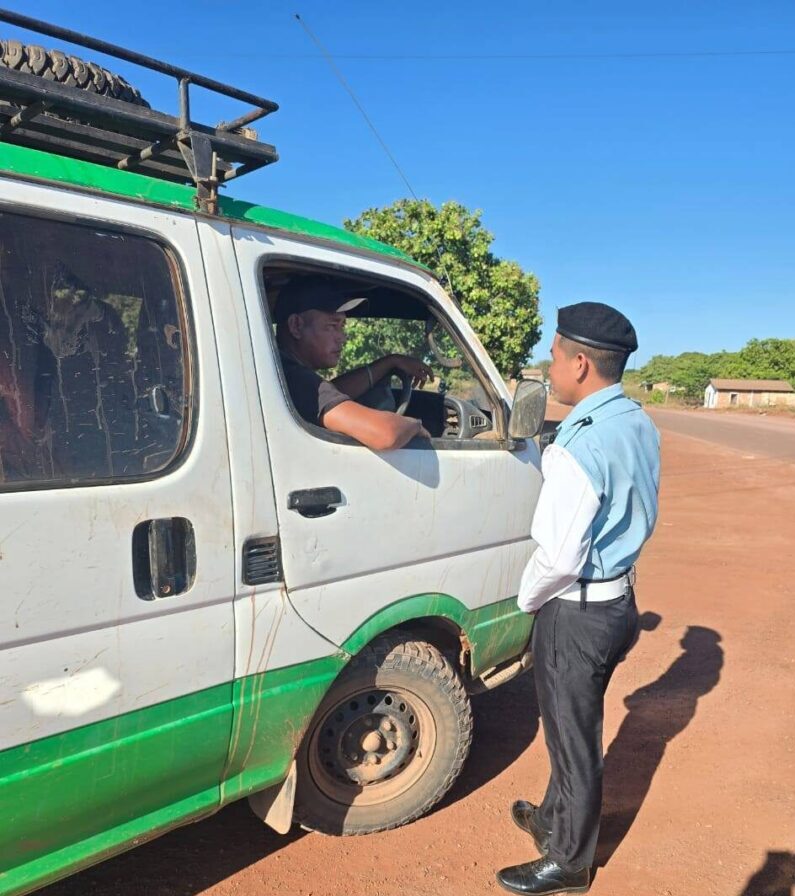
On January 24, 2026, police sergeants conducted a thorough lecture aimed at electric motorcycle and motor lorry operators along the Leonora-Tuschen Access Road, addressing a range of safety measures intended to mitigate accidents and save lives. The initiative comes amidst alarming reports of increased vulnerability among motorcyclists, particularly young men, who have been identified as the most affected demographic. With approximately 83 percent of road fatalities being male, it serves as a stark reminder of the critical safety crisis plaguing our highways.
In 2023, our country experienced a shocking surge in road fatalities, with a staggering 175 to 178 lives lost, including over 56 motorcycle deaths. This 166.7 percent increase from the previous year paints a grim picture, suggesting that the population of our nation is becoming increasingly indifferent towards road safety. Although 2024 has shown some improvement with around 154 fatalities reported and a 15 percent decrease in motorcycle-related deaths, the data still underscores the persistent danger faced by riders.
The demographic analysis highlights a clear pattern, revealing that young men aged 25 to 42 are particularly at risk. The spike in fatalities among the 16 to 24 age group in 2023 is particularly alarming, with figures surpassing 150 percent. These statistics reflect not only individual recklessness but also systemic issues related to law enforcement and traffic management in our nation. The peak times for these tragic accidents, notably over extended weekends and during evening hours, provide critical insights into when interventions are most needed.
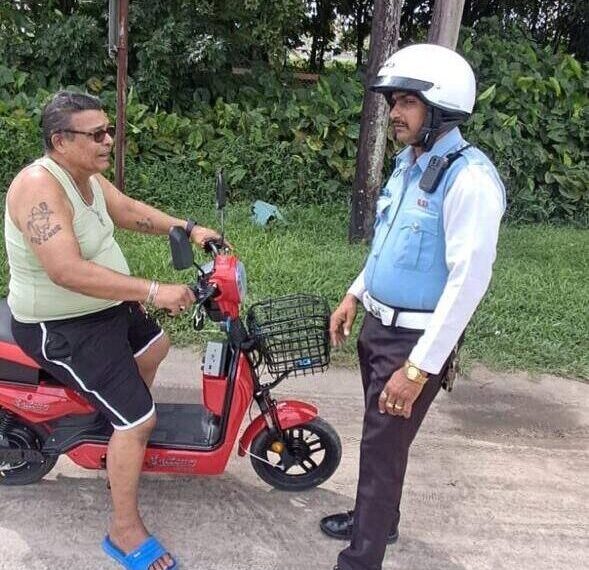
Several key factors contribute to this troubling phenomenon. Speeding has emerged as the primary cause of road deaths, with approximately 70 percent of fatalities attributed to this reckless behaviour. The lack of appropriate safety gear further exacerbates the situation; in many of the identified cases from 2024, motorcyclists and their passengers were found to be without helmets — an essential protective measure that could save lives. Additionally, driving under the influence and inattentiveness, often linked to mobile phone use, have become rampant issues, suggesting a disregard for road safety that cannot be overlooked. The reckless overtaking behaviour often stems from impatience, and a lack of proper planning for journeys contributes to these preventable accidents.
In response to these alarming statistics and the need for protective measures, experts recommend a series of safety techniques for motorcycle riders and their passengers. It is crucial for riders to wear visible clothing and to practise proper emergency braking techniques. They should also ensure that they wear securely fastened helmets to offer maximum protection during an impact. For passengers, it’s essential to maintain a secure grip and to lean in synchronisation with the rider to maintain balance.
The government’s recent responses, including the “Do the Right Thing” campaign, aim at fostering safer driving habits. Innovations such as the Safe Road Intelligent System (SRIS) promise to revolutionise traffic management through automated ticketing systems, highlighting the attention the issues have garnered at the governmental level. However, critics argue that these measures are too little, too late, and question the effectiveness of the current administration in addressing the root causes of road fatalities. Discussions around increasing fines for speeding and the potential for dedicated motorcycle lanes in future road designs indicate a desire for improvement, but many in our nation remain sceptical.
While the Guyana Police Force’s efforts to engage with motorcycle operators are commendable, it is evident that a more comprehensive approach is necessary to create lasting change. The statistics speak volumes about the dangers on our roads and the urgent need for both education and enforcement to be intertwined. As road safety remains a pressing issue, it is paramount for every citizen, especially young men at risk, to take responsibility for their safety and for the prevalence of safe driving practices to be ingrained in our society.