By Mark DaCosta- In a significant development recently emerging from the United States Senate, a resolution aimed at curtailing President Trump’s military authority over Venezuela has gained traction, sparking discussions around the ramifications for Latin American politics, particularly for our nation. This legislative push signals a response to Trump’s aggressive military posture and attempts to secure unilateral power in foreign interventions, particularly following the high-profile capture of Venezuelan President Nicolás Maduro.
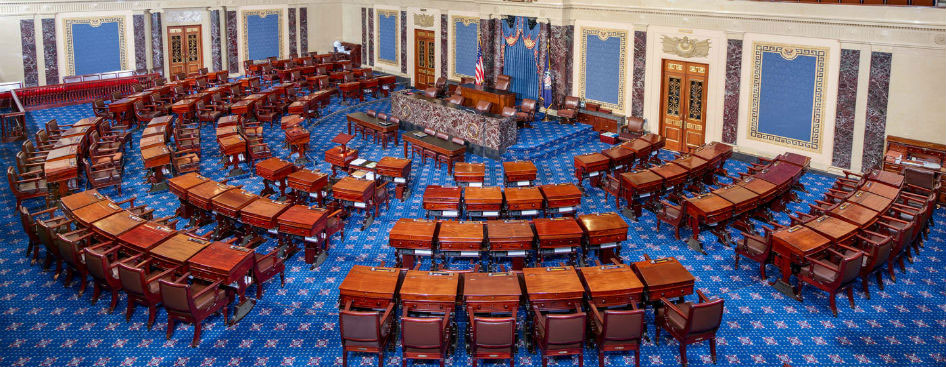
The US Senate’s recent vote, which saw the resolution pass with a tally of 52 to 47, reflects a notable shift in congressional sentiment regarding military engagement in Venezuela. Five Republican senators broke ranks with their party to join Democrats in favour of the proposition, underscoring rising discontent within the Republican ranks and challenging Trump’s attempt to assert control over military actions without congressional oversight. This bipartisan effort stands in stark contrast to previous attempts to block similar resolutions, highlighting an evolving political landscape amid concerns over Trump’s directives.
The backdrop of this resolution is the swift US military operation that resulted in Maduro’s capture, an act framed by the US administration as a necessary counternarcotics initiative. While the Trump administration characterised the event as a law enforcement measure aimed at drug trafficking, critics have raised concerns about the implications of such actions, questioning the legality and the broader strategic objectives underpinning them. Lawmakers have warned that this kind of unilateral military action, executed without the consent of Congress, represents a dangerous precedent that could escalate tensions within the region, potentially undermining long-standing norms of sovereignty and democratic governance.
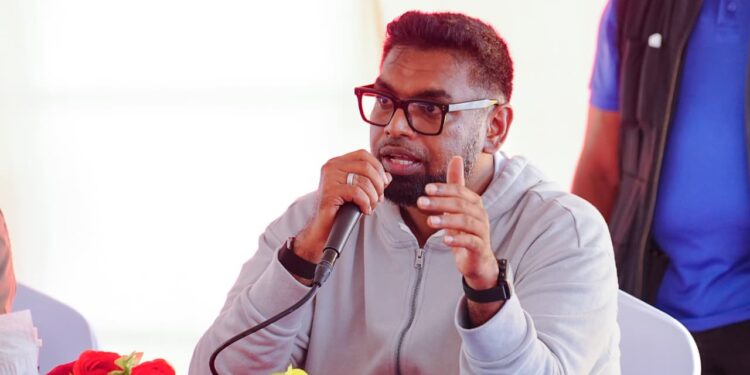
Despite our nation’s geographical proximity to Venezuela and the ramifications any instability may have on our security and economic interests, the People’s Progressive Party (PPP) administration has failed to articulate a clear stance on this crucial issue. As President Irfaan Ali remarked on social media following Maduro’s capture, “The Government of Guyana continues to monitor the developments in Venezuela… Stability, respect for law, and democratic transition are critical to the future of Venezuela and the broader Americas.” Yet, this vague statement falls woefully short of a decisive foreign policy response expected from leaders in our nation, particularly at a time when regional solidarity is paramount.
The lack of a robust position from the People’s Progressive Party (PPP) raises questions about its commitment to democracy and security in the region. Analysts argue that these developments could have far-reaching consequences for our nation, given the interconnected nature of Caribbean politics and the precarious situation in Venezuela. The PPP’s reticence may suggest a fear of alienating its base or a hesitance to firmly oppose Trump’s aggressive posturing, which has been characterised by hardline rhetoric and unpredictable actions.
Moreover, the ramifications of Trump’s reckless approach extend beyond Venezuela and can contribute to broader regional instability. With Trump’s administration focusing on military spending — proposed to balloon to $1.5 trillion — concerns persist over the potential for misguided interventions and prolonged military engagements that do not serve the interest of the United States or its neighbours. Lawmakers in the US have echoed this sentiment, arguing that Congress, as per the Constitution, should have the authority to declare war, reinforcing the need for legislative checks on executive power.
As President Ali convenes meetings with defence officials, there seems to be a gap in advocating a proactive position amid the chaos caused by external interventions. This lack of leadership compromises our ability to influence the unfolding situation, resulting in missed opportunities to forge a collective regional approach to potential crises. The consequences of political instability in Venezuela, aggravated by external military interventions, could have a profound impact on our economic and security landscape.
The PPP’s inaction is particularly striking when one considers the potential for humanitarian crises in Venezuela that could spark waves of migration into our nation, or the risks posed by a power vacuum that might escalate violence and lawlessness. With the future of Venezuela hanging in the balance, our leaders must do more than just monitor; they need to engage in diplomatic dialogue and advocate for a democratic future for our regional neighbour.