By Mark DaCosta-In an escalation of military action, the United States has launched airstrikes against ISIS-linked camps in northwestern Nigeria. This intervention, framed by U.S. President Donald Trump as a necessary response to violence against Christians in the region and aimed at crippling militant operations, signifies a growing recognition of the security crisis facing Nigeria. However, this strategic move also raises complex questions about sovereignty, potential retaliation, and the broader implications for the nation’s fragile peace dynamics.
The Islamic State of Iraq and Syria, widely known as ISIS, is a notorious transnational group that adheres to a violent and radical interpretation of Sunni Islam. Following its emergence from the remnants of Al-Qaeda in Iraq, ISIS gained infamy in 2014 when it seized vast territories in Iraq and Syria, declaring the establishment of a so-called Caliphate. Although this Caliphate was dismantled by 2019, the group still retains a significant foothold through affiliated entities, notably the Islamic State West Africa Province (ISWAP), which has operations in Nigeria. This affiliate has notably expanded its influence beyond northeastern Nigeria into northwestern regions, creating a precarious security situation.
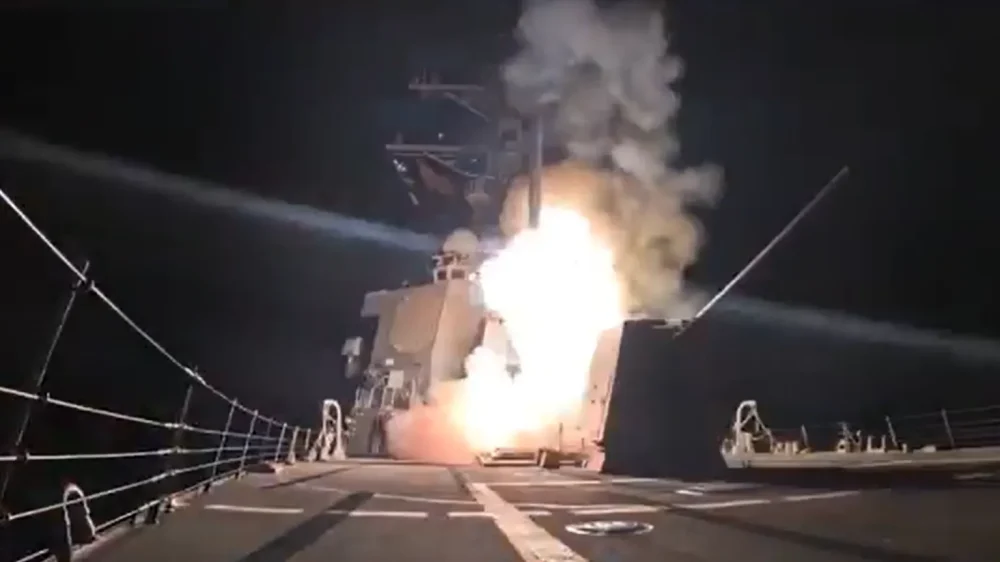
On Christmas Day 2025, the U.S. military launched strikes targeting ISIS camps located in Sokoto State after months of escalating violence against Christian communities, which President Trump cited as a major impetus for the intervention. Furthermore, these actions followed a series of retaliatory operations in response to a deadly attack in Syria that killed U.S. soldiers. The U.S. military’s objective is not only to protect vulnerable populations but also to disrupt ISWAP and other militant groups that are gaining strength and extending their reach into Nigeria.
The implications of this military intervention are manifold for Nigerians. One potential benefit is a temporary degradation of militant capabilities. Strikes against training camps and supplies could hinder ISWAP’s ability to conduct extensive assaults on local villages, therefore providing a semblance of relief to communities plagued by banditry and violence. Many Nigerians, particularly those in the northwestern regions who have long felt neglected by their government, may view this intervention as a much-needed signal that the international community is finally taking their plight seriously.
However, this development does not come without substantial risks. The historical precedent set by ISIS suggests that they may respond to foreign strikes with acts of vengeance against soft targets such as markets, churches, and even mosques, potentially exacerbating local tensions and further endangering innocent citizens. Moreover, the perception of foreign military operations against domestic extremists can sow seeds of discontent around Nigeria’s sovereignty and capacity to manage its own border security. The Nigerian government has already faced scrutiny regarding its military response to insurgency, and this foreign intervention may complicate public sentiment, sowing discord between citizens and their leaders.
Additionally, framing the strikes predominantly as a defence of Christian interests raises fears of inflaming sectarian tensions. While the narrative highlights the plight of Christians, it neglects the fact that both Muslim and Christian communities have been victims of ISWAP’s violence. This may inadvertently lend credence to extremist narratives seeking to deepen divisions between religious groups in Nigeria, thereby undermining the fragile peace in a country already struggling with ethnic and sectarian divisions.
As a further strain on diplomatic relations, the U.S. has also imposed visa restrictions on certain Nigerian officials perceived to have failed in safeguarding citizens from violence. This can be construed as a significant diplomatic slight, challenging the Nigerian leadership’s ability to act independently.
Evaluating these recent developments in the context of Nigeria’s security issues necessitates vigilance regarding the movements of militant groups such as Lakurawa, which have infiltrated from neighbouring countries like Mali and Niger. The U.S. action, while targeting ISWAP, reflects an understanding that broader regional threats need immediate containment to prevent the establishment of stable bases for these extremist groups far from the gaze of the international community.
As these narratives unfold, the local response will be crucial to understand. Will this military intervention be accepted as a necessary step towards stabilisation, or will it fuel further grievances and retaliatory violence?
For our nation, the implications of the U.S. strikes extend far beyond the immediate military action. This intervention could redefine the boundaries of national sovereignty in counterterrorism efforts, potentially creating a new paradigm of foreign involvement in Nigerian affairs, which should alarm those who value our autonomy. As the security landscape evolves, it becomes imperative for the Nigerian government to bolster its defensive capabilities without reliance on external forces. Only time will tell if this intervention will serve as a beacon of hope or add to the chaos that has long plagued Nigeria’s northern regions.