
KINGSTON, Jamaica – Jamaica’s agricultural sector faces an economic contradiction so stark it defies logic: while contributing significantly to employment and food security, farmers are systematically priced out of capital markets by interest rates that would make loan sharks blush.
At 10.9% for the fortunate few who qualify at People’s Cooperative Bank, and a devastating 26% for micro-enterprises, these rates aren’t just numbers—they’re economic death sentences for small-scale agriculture.
Jamaica’s recent signing of the Afreximbank-CARICOM financing facility after two years of stalling, couldn’t come at a more critical juncture.
With US$3 billion earmarked for Caribbean development and explicit targeting of agriculture and food security, this facility represents either Jamaica’s agricultural renaissance or another missed opportunity in a sector bleeding from institutional neglect.
The USD1.6 Billion Reality Check
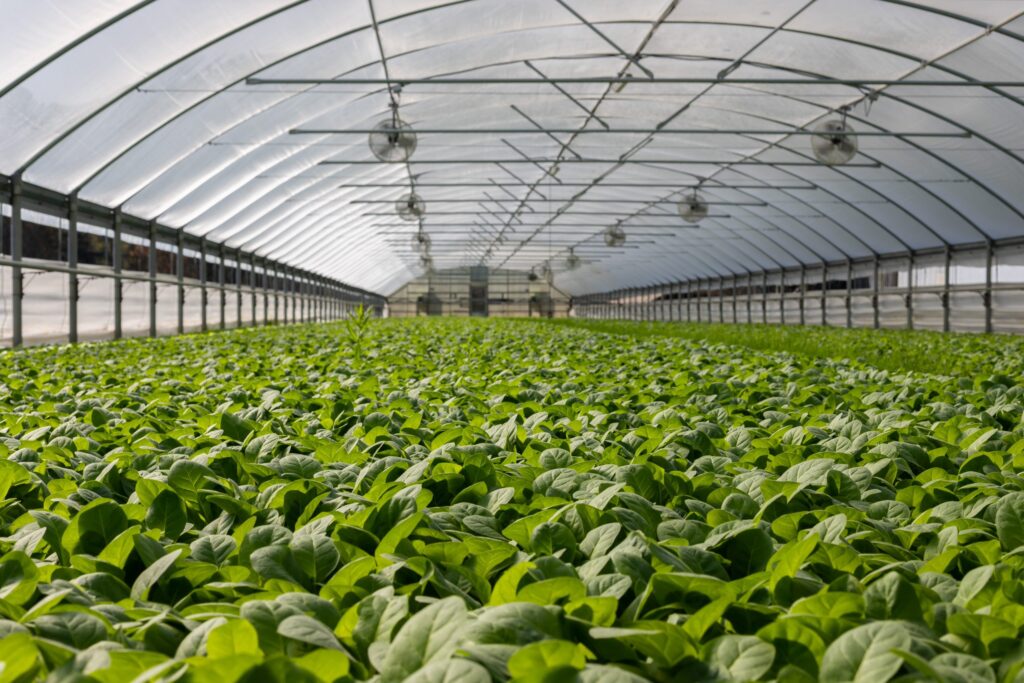
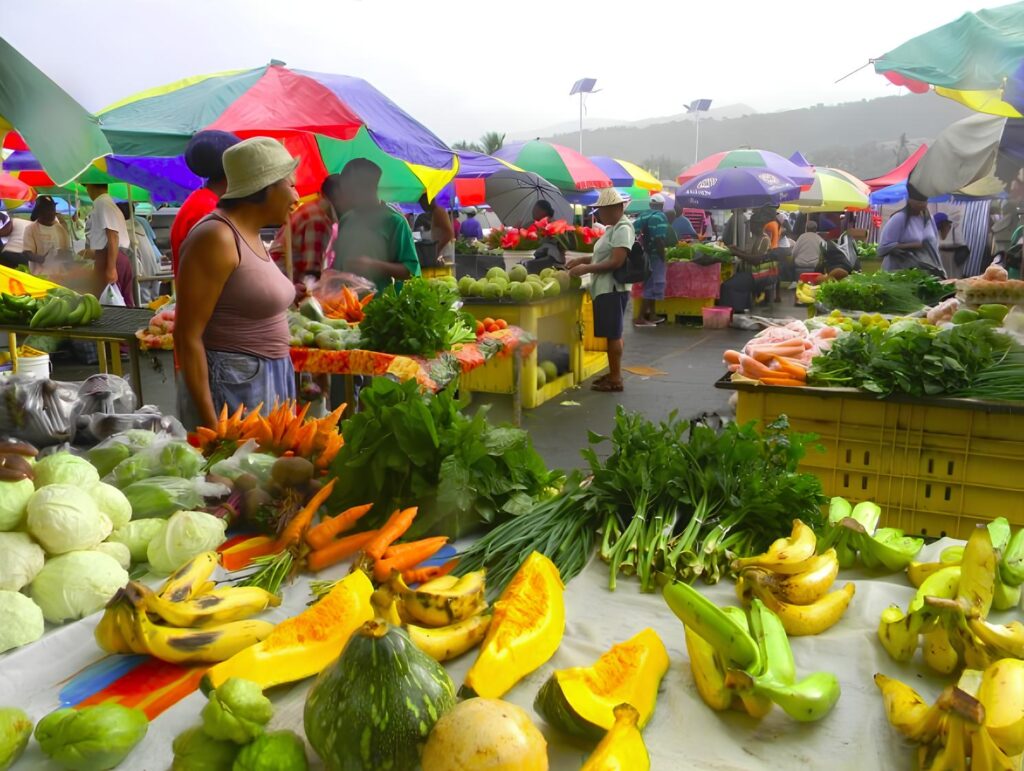
The numbers paint a damning picture of policy failure. Jamaica’s food import bill has ballooned to USD1.6 billion while food exports languish at a pitiful USD20 million for the quarter ending June 2025—an 80:1 ratio that screams economic dysfunction.
This isn’t merely a trade imbalance; it’s a systematic dismantling of agricultural capacity while politicians from both the JLP and PNP waxed eloquent about school feeding programs during the recent campaign.
The irony is palpable: elaborate school feeding plans acknowledge widespread food insecurity while government housing policy actively sequesters prime agricultural land.
The Food and Agriculture Organization’s report documenting Jamaican starvation from 2022-2024 should have triggered emergency agricultural mobilization. Instead, it was met with bureaucratic shrugs and continued land conversion.
Two Years of Inexcusable Neglect
While twelve other CARICOM nations rushed to access Afreximbank’s concessionary financing, Jamaica dawdled for two unconscionable years, becoming the 13th of 15 countries to finally sign on.
This wasn’t careful deliberation—it was negligence that cost farmers millions in excessive interest payments while their regional competitors accessed capital at rates 5-10 percentage points below Jamaica’s punishing commercial lending environment.
Consider the mathematical brutality: A farmer borrowing JMD1 million at PC Bank’s 10.9% pays JMD109,000 annually in interest alone. That same farmer, classified as a micro-enterprise, faces 26% rates—JMD260,000 yearly just to service debt.
Meanwhile, their counterparts in Barbados having accessed Afreximbank facilities years earlier, operate with single-digit rates that make expansion viable rather than suicidal.
The Development Bank of Jamaica’s public spat with PC Bank only underscores the dysfunction. While these institutions bicker, farmers watch their qualifying share requirements jump from JMD3,500 to JMD10,000—non-refundable—creating yet another barrier to capital access. The much-vaunted Agricultural Fund remains a mirage for most farmers, inaccessible to those who need it most.

The Data Vacuum: Flying Blind
Jamaica’s agricultural policy operates in an information wasteland. There exists no comprehensive system to measure food production from ground provisions, vegetables, and fruits entering the fresh food chain.
No systematic tracking of agricultural inputs—seeds, fertilizers, agrochemicals, land preparation costs. STATIN, RADA, JACRA, and AIC operate in silos, each generating fragments of data that never coalesce into actionable intelligence.
This isn’t mere administrative incompetence; it’s economic sabotage. Without accurate production data, price discovery fails, investment decisions become gambling, and policy interventions miss their targets. How can you plan food security when you don’t know what you’re producing?
Glimmers of Hope Amid Systemic Failure
Despite institutional abandonment, pockets of resilience emerge. Liquid milk production has climbed to 13 million litres with ambitious targets of 25 million by 2028 and 40 million to achieve self-sufficiency.
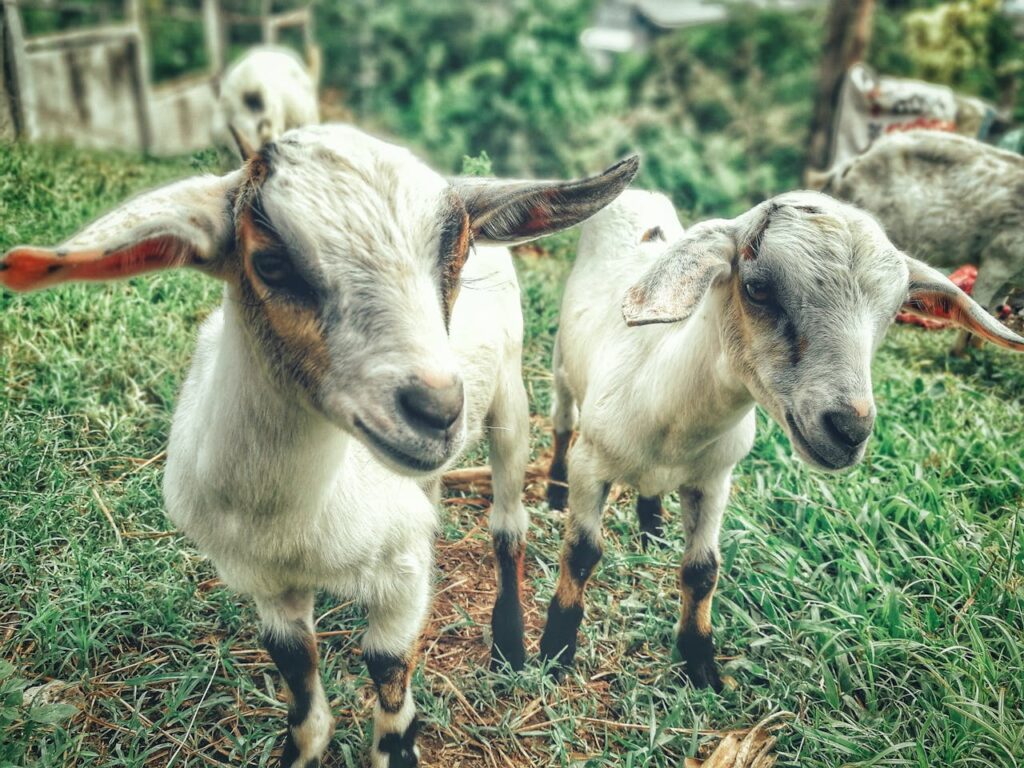
The Small Ruminant Association champions goat dairy, with farms now producing specialized milk and cheese for local markets.
Yet even these success stories highlight government failure. The institutions tasked with maintaining Jamaica’s improved cattle breeds—Jamaica Hope, Jamaica Red, Black Poll, and Brahman—have collapsed so thoroughly that dairy farmers resort to expensive imports. Water harvesting infrastructure remains primitive, pasture development programs exist primarily on paper, and the Jamaica Dairy Development Board operates on budgets that wouldn’t fund a parish council meeting.
The Afreximbank Revolution—If Jamaica Acts
The Afreximbank facility isn’t charity; it’s strategic economic intervention designed for precisely Jamaica’s predicament.
With agriculture explicitly prioritized among funding sectors and billions committed to African food security initiatives, the facility offers transformative potential at three levels:
Immediate Relief: Concessionary rates potentially 5-10 percentage points below current commercial lending would instantly improve farm viability. A sugar producer borrowing at 6% instead of 16% doesn’t just save money—they can actually modernize operations, increase yields, and compete globally.
Market Access: Afreximbank’s US$2 billion commitment to African food security creates ready markets for Jamaican agricultural exports.
Blue Mountain Coffee targeting Africa’s expanding middle class, Scotch Bonnet peppers for West African diaspora communities, processed foods leveraging Jamaica’s brand recognition—all become viable with appropriate financing.
Infrastructure Development: Medium-term financing for processing facilities, cold storage chains, and export infrastructure could finally break Jamaica’s dependence on raw commodity exports. Value addition—where real profits lie—becomes achievable when capital costs don’t consume operating margins.
The Policy Imperative
The government must move beyond signing ceremonies to implementation urgency. Every day of delay costs farmers thousands in excessive interest payments. Required actions are clear:
First, establish a dedicated Afreximbank agricultural desk within RADA to fast-track applications. Farmers shouldn’t navigate bureaucratic mazes while crops rot.
Second, immediately align PC Bank and DBJ lending with Afreximbank rates—if government-backed institutions won’t lead competitive pricing, why do they exist?
Third, link school feeding programs explicitly to farmers accessing concessionary financing. Create guaranteed purchase agreements that banks can accept as collateral.
Fourth, mandate STATIN to establish comprehensive agricultural data systems within 90 days. Flying blind is no longer acceptable when billions in development financing require evidence-based proposals.
No More Excuses
Jamaica’s agricultural crisis isn’t natural disaster or global market forces—it’s policy choice. While politicians built houses on farmland and ignored FAO starvation warnings, farmers paid usurious rates to plant food for a nation increasingly dependent on imports.
The two-year delay in accessing Afreximbank while regional competitors strengthened their agricultural sectors represents dereliction of economic duty.
The facility changes the equation fundamentally. Farmers strangled by 26% interest rates while producing food for national security deserve better than bureaucratic indifference. With US$3 billion available and agriculture explicitly prioritized, continued inaction becomes unconscionable.
The question isn’t whether Jamaica’s agriculture can survive—it’s whether political leadership possesses the will to save it.
Afreximbank offers the tools; farmers provide the expertise and determination. Only political courage remains missing. After two years of costly neglect, Jamaica cannot afford another day of delay. WiredJA