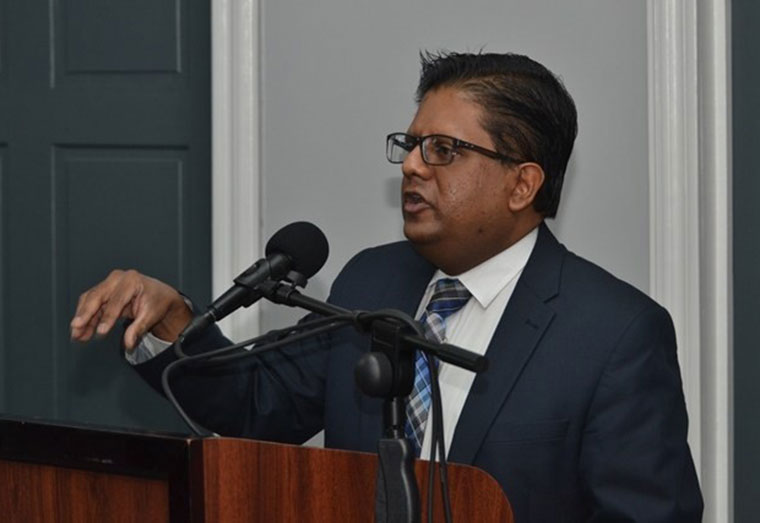
The We Invest in Nationhood (WIN) movement has sharply criticised President Irfaan Ali for what it describes as a calculated attempt to politicise Islam ahead of the September 1 General and Regional Elections.
In a strongly worded statement, WIN accused the President of selectively enlisting Muslim religious leaders to endorse his re-election bid while deliberately avoiding similar overtures to Christian or Hindu faith leaders.
WIN said the trend is no coincidence. “Only Muslim leaders have been publicly drawn into political endorsements. No Christian or Hindu leaders have done the same. This is not by accident,” the statement asserted. “The incumbent President, himself a Muslim, is using his office to influence faith leaders for political gain in the upcoming election.”
The statement condemned what it called a “deeply troubling abuse of religious authority for partisan ends,” warning that such interference undermines the integrity of religious institutions and risks inflaming sectarian divides.
WIN praised the intervention of Imaam Abdul Kareem of the Wismar Linden Masjid, who issued a cautionary reminder to Muslim leaders that personal political endorsements threaten the spiritual unity of the Muslim community. “While every citizen has the right to vote,” the Imaam said, “religious guidance must never be compromised.”
WIN fully endorsed the Imaam’s position, stating: “Political manipulation has no place in faith. Religion must never be reduced to a political tool.”
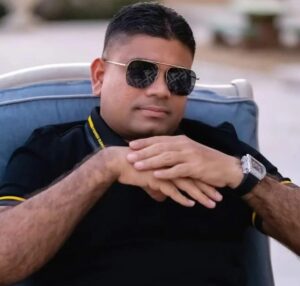
The movement further reaffirmed its longstanding ties to the Muslim community, noting that its presidential candidate, Azruddin Mohamed’s father, Nazar Mohamed is the son of one of Guyana’s most respected Muslim figures.
The elder Mohamed, WIN stated, has spent decades in humanitarian service to both Muslims and Guyanese from all backgrounds — earning the kind of moral authority that cannot be co-opted for politics.
While President Ali has not directly commented on recent endorsements by religious figures, WIN has accused his administration of orchestrating those public shows of support behind closed doors. “At a time when some Muslim leaders have chosen to endorse the incumbent, WIN calls on the community to remain vigilant and to resist every attempt at political exploitation.”

The statement ended with a pointed call to faith leaders to remain true to their religious duties and avoid being used as political instruments: “We commend those leaders who have stood true to their religious convictions, keeping faith above politics, and upholding the principles of the Holy Quran.”
Guyana’s Constitution enshrines secular principles and guarantees freedom of conscience and religion. Article 145 protects individuals from being compelled into religious instruction or observance not of their choosing and upholds the right to manifest one’s beliefs freely. The state is mandated to remain neutral toward religion, ensuring no faith is privileged in governance — a foundational value grounded in Guyana’s secular republic model
Amid ongoing election politicking, there is growing concern that President Ali’s actions may show a troubling disregard for this long-held principle. Critics argue that engaging faith leaders in campaign endorsements risks undermining the constitutional separation of faith and state, casting doubt on the enduring neutrality of public office.
WIN’s public rebuke of the President marks a significant escalation in political tensions just days before the country heads to the polls. It also raises uncomfortable questions about the ruling party’s use of religious influence in its re-election strategy — and whether President Ali is prepared to blur the line between faith and politics to secure another term in office.