By Mark DaCosta- In an apparent policy shift, the People’s Progressive Party (PPP) regime has recently unveiled a cash transfer initiative, promising $200,000 to each household. This announcement has ignited a discussion over the origins of the cash transfer concept, with many critics asserting that the PPP is not the original architect of this proposal. Instead, they argue that the idea was first championed by the Alliance for Change (AFC) and economist Professor Clive Thomas. Some analysts are openly saying that the PPP government is claiming credit for an idea that it stole.
The AFC presented a comprehensive cash transfer proposal to the A Partnership for National Unity and Alliance for Change (APNU+AFC) coalition Cabinet in 2017, advocating for direct financial support as a crucial strategy for alleviating poverty in Guyana. The party emphasised that empowering citizens with cash could enable them to make informed decisions about their immediate needs, thus facilitating a pathway out of poverty. The AFC’s proposal suggested a more generous cash transfer of $500,000 per household, designed to significantly enhance the living conditions of the country’s most vulnerable populations.
In 2018, Professor Thomas, an influential economist associated with the Working People Alliance (WPA), furthered the discussion by proposing an annual payment of US$5,000 to each household, funded by the burgeoning oil revenues of the country. Thomas’ proposal garnered substantial support from various sectors, including civil society, trade unions, and political groups, signalling a widespread demand for equitable distribution of the nation’s wealth.
The Guyana Trades Union Congress (GTUC) has championed Thomas’ proposal but extended it via its own proposal in 2019 to include itemized direct and indirect cash transfers.
The AFC lauded Thomas’s initiative as a critical step toward ensuring that citizens could benefit directly from the country’s resources, reinforcing their long-standing advocacy for social equity.
Despite the PPP’s recent claim of originating the cash transfer concept, many political analysts are vocally contesting this narrative. They argue that the PPP’s actions merely reflect ideas that were previously proposed and discussed, particularly in light of the political pressure from the social and political groups advocating for such measures.
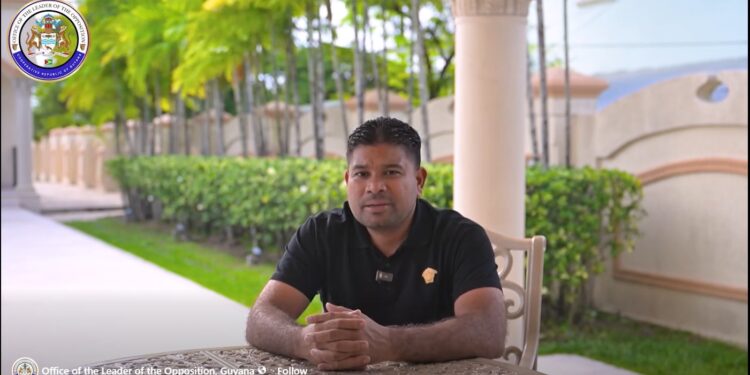
Nigel Hughes, the AFC leader, has expressed serious reservations about how the cash PPP’s transfer programme will be implemented. He pointed out potential issues in defining what constitutes a “household,” warning that the flat distribution model could lead to inequitable outcomes. For instance, larger households might receive a disproportionately lower benefit per person, undermining what should be the programme’s intent to alleviate poverty.
Additionally, Hughes has raised concerns about the absence of a clear statutory and regulatory framework to guide the cash transfer initiative. He warned that without established mechanisms for addressing grievances and ensuring fairness, the rollout could result in confusion and potential social unrest. The historical context of the PPP’s previous cash grants during the pandemic — where many beneficiaries reported difficulties in accessing funds — has only amplified these concerns.
The complexities inherent in defining households in Guyana further complicate the proposal. Many homes in the country consist of extended families living together, sharing resources while maintaining separate financial obligations. This demographic reality poses a challenge for the government in designing a fair and effective cash transfer program that meets the diverse needs of the population.
International examples provide valuable insights into the effectiveness of cash transfer systems. Brazil’s Bolsa Família programme, initiated in 2003, integrated multiple cash transfer schemes under the Ministry of Social Development. It has successfully lifted millions out of poverty and improved educational outcomes, with over 44 million individuals benefitting from the program. Similarly, Mexico’s PROGRESA programme, launched in the late 1990s, provided cash payments contingent on school attendance and healthcare visits, leading to significant improvements in the welfare of poor families.
These successful models underscore the importance of clearly defined beneficiary selection processes and robust evaluation mechanisms. As Guyana embarks on implementing its cash transfer initiative, it must learn from these examples to avoid the pitfalls experienced in other contexts.
The current discourse around the cash transfer initiative highlights a broader conversation about social equity and the fair distribution of economic resources, particularly in light of the country’s emerging oil wealth. While the PPP seeks to take ownership of the cash transfer proposal, political entities and civic organisations insist on acknowledging the contributions of those who first advocated for such measures.
As Guyana navigates the challenges associated with wealth distribution and poverty alleviation, the dialogue surrounding cash transfers is likely to evolve. It remains crucial for all stakeholders — government officials, political parties, and citizens — to engage in transparent discussions that recognise the origins of these proposals, ensuring that the implementation prioritises the welfare of all citizens.
Ultimately, the success of the proposed cash transfer program will depend on the government’s commitment to equitable distribution, transparency, and genuine efforts to uplift those in need. As the nation grapples with these complexities, the historical context of cash transfer proposals will play a significant role in shaping the future of social development in Guyana. The path forward must not only address the immediate needs of citizens but also create a framework that fosters sustainable economic growth and social justice.