Monday, October 12, 2026
Village Voice News
ADVERTISEMENT
  • Home
  • News
  • Sports
  • Editorial
  • Letters
  • Global
  • Columns
    • Eye On Guyana
    • Hindsight
    • Lincoln Lewis Speaks
    • Future Notes
    • Blackout
    • From The Desk of Roysdale Forde SC
    • Diplomatic Speak
    • Mark’s Take
    • In the village
    • Mind Your Business
    • Bad & Bold
    • The Voice of Labour
    • The Herbal Section
    • Politics 101 with Dr. David Hinds
    • Talking Dollars & Making Sense
    • Book Review 
  • Education & Technology
  • E-Paper
  • Contact Us
No Result
View All Result
  • Home
  • News
  • Sports
  • Editorial
  • Letters
  • Global
  • Columns
    • Eye On Guyana
    • Hindsight
    • Lincoln Lewis Speaks
    • Future Notes
    • Blackout
    • From The Desk of Roysdale Forde SC
    • Diplomatic Speak
    • Mark’s Take
    • In the village
    • Mind Your Business
    • Bad & Bold
    • The Voice of Labour
    • The Herbal Section
    • Politics 101 with Dr. David Hinds
    • Talking Dollars & Making Sense
    • Book Review 
  • Education & Technology
  • E-Paper
  • Contact Us
No Result
View All Result
Village Voice News
No Result
View All Result
Home News

Challenging Drug Trafficking in Guyana

Admin by Admin
June 20, 2024
in News
0
SHARES
0
VIEWS
Share on FacebookShare on Twitter

By Mark DaCosta- Amidst a backdrop marred by frequent drug interdictions, large and larger, Guyanese government officials are set to participate in the sixth phase of the SEACOP project. This initiative is particularly significant for Guyana which is known as a pivotal transshipment point for narcotics, and where suspicions and direct allegations of official complicity in drug trafficking have cast a shadow.

According to information in the public domain, Andre Ally, Permanent Secretary at the Ministry of Home Affairs, and James Singh, Director of the Customs Anti-Narcotic Unit (CANU), are actively engaged in SEACOP’s latest phase. This multinational effort, launched on June 17, 2024, in Portugal, has gathered over 80 participants from more than 20 countries across the Caribbean, Latin America, and West Africa. The project’s primary objective is to confront the trafficking routes originating from Latin America to Africa, regions plagued by escalating illicit activities.

READ ALSO

CARIBBEAN | The Cure They Can’t Reach: Sickle Cell, Race and the US$2.2 Million Question

Guyana stresses global action to protect women from digital violence

SEACOP, initiated in 2010 with a focus on Senegal, Ghana, and Cape Verde, has since broadened its scope to include the Caribbean and Latin America. It stands as a cornerstone initiative aimed at enhancing maritime security and dismantling criminal networks integral to drug trafficking. Over the next three years, SEACOP will intensify efforts to bolster law enforcement capacities, foster public health measures, and promote socio-economic development, all while mitigating the detrimental impacts of illicit activities on affected communities.

Guyana’s participation in SEACOP may represent a significant stride towards addressing its reputation as a transit hub for narcotics. However, amidst the optimism surrounding such international collaborations, skepticism may loom large within the Guyanese populace. Given the nation’s unfortunate association with drug trafficking, citizens may understandably remain cautious, hoping that governmental involvement in SEACOP signifies genuine intent rather than superficial compliance with international norms.

The skepticism is rooted in past allegations that have left lasting impressions on Guyana’s political landscape. Notably, one will recall that convicted drug trafficker Roger Khan, before his incarceration in the United States, made serious accusations implicating a high-ranking political figure in Khan’s various illicit operations. Khan’s allegations pointed to complicity within the government’s upper echelons, raising profound concerns about corruption and criminal influence.

Roger Khan’s case remains a stark reminder of the pervasive challenges Guyana faces in combatting drug-related corruption. His involvement in extensive drug trafficking activities, coupled with allegations of high-level complicity, not to mention corroborating evidence, underscore the complexities and risks inherent in the nation’s battle against illicit narcotics trade.

Guyana’s involvement in SEACOP Phase VI could serve as a pivotal moment in efforts to combat drug trafficking. With the nation’s reputation at stake, the hope is that this initiative will mark a genuine commitment towards eradicating illicit activities.
ShareTweetSendShareSend

Related Posts

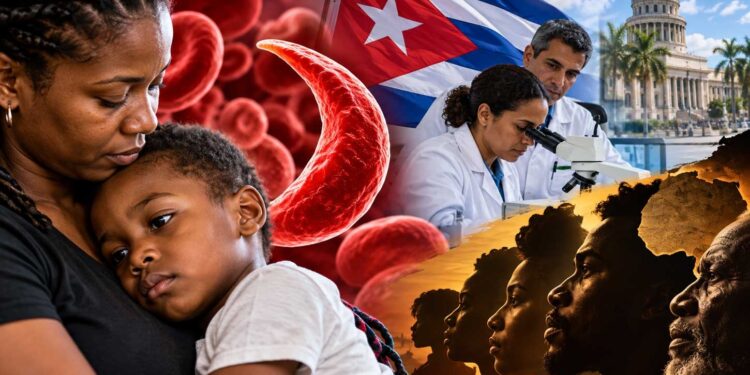
The sickle cell trait evolved as protection against malaria in West and Central Africa; the populations forcibly transported to the Caribbean carried the gene with them. Today, about one in every 150 Jamaican babies is born with sickle cell disease, and roughly one in ten Jamaicans carries the trait.
News

CARIBBEAN | The Cure They Can’t Reach: Sickle Cell, Race and the US$2.2 Million Question

by Admin
October 12, 2026

A disease born of slavery’s genetic legacy now has a functional cure — at US$2.2 million per patient, available almost...

Read moreDetails
Minister of Human Services and Social Security Dr. Vindhya Persaud
News

Guyana stresses global action to protect women from digital violence

by Admin
October 12, 2026

Guyana is calling for stronger international action to combat digital violence against women, with Minister of Human Services and Social...

Read moreDetails
News

Caricom Rice Mills Addresses Social Media Claims Regarding Somerset and Berks Lands

by Admin
October 12, 2026

Caricom Rice Mills wishes to address recent public statements made on social media concerning specific parcels of land in the...

Read moreDetails
Next Post
Guyana’s Education Minister Priya Manickchand. - CMC photo.

Students to get cash grant in preparation for next school term


EDITOR'S PICK

Google photo

Guyanese and Trinidadian arrested by Suriname police for ‘skimming’

August 3, 2024
Clare Browne

Director of Education Has Mixed Feelings About CXC Removing SBAs Amid AI and Paid-Work Concerns

August 21, 2026
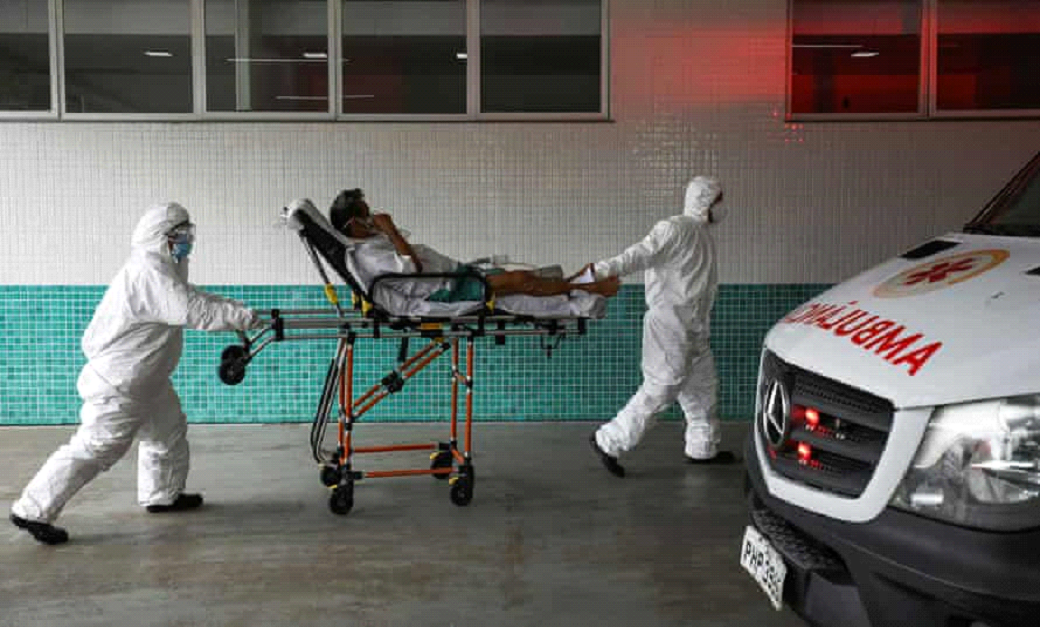
A Covid patient is taken to hospital in Manaus. More than 206,000 people have now died across Brazil, the second highest total in the world after the US. Photograph: Bruno Kelly/Reuters

Covid eruption in Brazil’s largest state leaves health workers begging for help

January 15, 2021

Man shot dead at East Ruimveldt

June 5, 2022

© 2024 Village Voice

No Result
View All Result
  • Home
  • News
  • Sports
  • Editorial
  • Letters
  • Global
  • Columns
    • Eye On Guyana
    • Hindsight
    • Lincoln Lewis Speaks
    • Future Notes
    • Blackout
    • From The Desk of Roysdale Forde SC
    • Diplomatic Speak
    • Mark’s Take
    • In the village
    • Mind Your Business
    • Bad & Bold
    • The Voice of Labour
    • The Herbal Section
    • Politics 101 with Dr. David Hinds
    • Talking Dollars & Making Sense
    • Book Review 
  • Education & Technology
  • E-Paper
  • Contact Us

© 2024 Village Voice