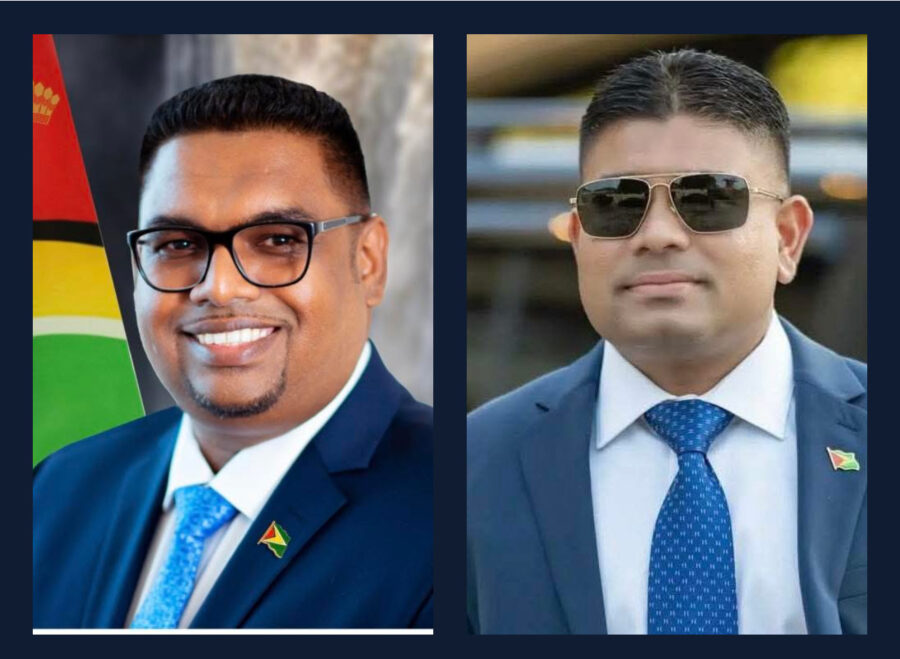
President Irfaan Ali is facing renewed criticism over what the opposition describes as the People’s Progressive Party/Civic (PPPS/C) government’s failure to deliver on election promises to improve pay and working conditions for public servants, despite Guyana’s massive oil revenues and rapid economic growth.
Presumptive Leader of the Opposition and We Invest in Nationhood (WIN) leader Azruddin Mohamed on Saturday accused President Ali and Vice President Bharrat Jagdeo of misleading public servants during the campaign, particularly on assurances of better salaries and welfare. Mohamed said while members of the disciplined services received a one month bonus, other public servants were excluded, leaving teachers, nurses and clerical workers struggling.
During the August campaign period, President Ali had pledged that before the end of the year the final phase of salary adjustments would be made for nurses and public servants, promising improved pay, welfare and working conditions. Ali in that annoucment stated: “when we say we will do it, it will be done!”
Months later, Mohamed said, those commitments remain unmet for thousands of workers across the public sector.
Particular concern was raised about nurses who completed a hybrid training programme transitioning patient care technicians to nursing assistants. Mohamed said some of these nurses have gone as long as eight months without being paid, forcing some to stay away from work because they cannot afford transportation. He described the situation as especially alarming given that many of these workers are already overworked and essential to the public health system.
Mohamed praised teachers and nurses as the backbone of society, but said they continue to be overworked and underpaid, stretched to breaking point even as the state records historic earnings from oil and gas. He said nearly 70,000 public servants remain in difficult financial circumstances and that he has received numerous complaints from workers across the sector.
Since 2019, Guyana has earned more than US$6 billion from oil and gas and has been ranked among the world’s fastest growing economies with one of the highest per capita income levels. Trade unions have argued that the country’s financial position makes it possible to significantly improve public sector wages and salaries.
Earlier this year, the Guyana Public Service Union (GPSU) called for the introduction of a “living wage,” a position supported by the Guyana Trades Union Congress (GTUC), while the Guyana Teachers Union (GTU) has also pressed for improved remuneration and working conditions.
Mohamed said many public servants were depending on promised bonuses or pay increases to make the Christmas season manageable for their families, providing proper meals and some comfort for their children. He accused President Ali and Vice President Jagdeo of breaking their word and warned Guyanese not to place trust in further promises from the PPP/C.
Politically, the issue comes as We Invest in Nationhood holds 16 of the 29 opposition seats in the 65 member National Assembly, alongside A Partnership for National Unity (APNU) with 12 and the Forward Guyana Movement (FGM) with one. Mohamed alleged that pay increases granted earlier in the year were intended to secure public servants’ votes and loyalty ahead of the September elections.
The government has not publicly responded to the latest claims. However, the growing discontent among public servants highlights a widening gap between Guyana’s oil driven economic success and the lived realities of many workers, raising questions about whether the benefits of national wealth are being equitably shared.