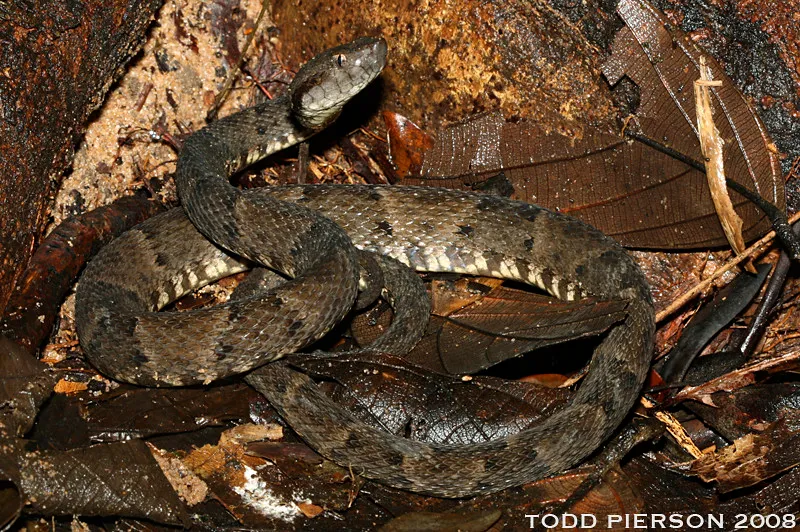
By Mark DaCosta- A young man from Kariako, who was tragically bitten by a labaria snake three days ago, is now recovering in a stable condition after finally being transported to a hospital in Lima for emergency treatment. Following a harrowing wait for proper medical evacuation, he has been provided with antibiotics and pain relief, which have brought him some much-needed relief. This incident has raised serious concerns regarding the healthcare infrastructure available to Indigenous communities, particularly when emergencies arise.
The young man suffered a life-threatening bite from a labaria, one of the most venomous snakes found in our country, known for its swift and lethal effects. A bite can lead to severe swelling, weakness, and, if untreated, serious complications including potentially life-threatening outcomes. Unfortunately, due to inadequate transportation options, the man had to endure a five-hour boat ride from the Kariako Health Centre to Moruca, a grueling journey while in critical condition.
Despite the existence of a health centre equipped with a boat, it was not operational, and the absence of functional emergency services meant that there was no timely means to reach the nearest airstrip. Given that helicopters and planes capable of performing medical evacuations were readily available at Ogle airport, the delay in providing the necessary transportation is both alarming and unacceptable. It is disheartening that a flight from Georgetown to Kariako would take no longer than 45 minutes, yet this young man’s life hung in the balance as he faced a lethal venomous snake bite without the support he desperately needed.
After reaching Moruca, he was faced with another ordeal: a two-hour boat ride to the Regional Hospital on the Essequibo Coast, fraught with peril from rough seas and dangerous conditions. It is unconscionable that Indigenous communities in our nation continue to be left vulnerable and at risk when they need assistance the most. The government’s failure to provide adequate emergency medical services for remote communities demonstrates a lack of commitment to the health and safety of our citizens.
Despite his struggles, the young man received visits in the hospital from dignitaries such as Member of Parliament Beverley Cornelius, who checked on his condition and provided support, as well as Mr. Azruddin Mohamed, who wished him a swift recovery. While such visits are commendable, they come too late for many who find themselves in similar situations. This incident shines a light on the ongoing neglect faced by our Indigenous brothers and sisters as they challenge the indifference of those in power.
We call upon the Ministry of Health to prioritise the establishment of robust emergency medivac services for remote communities, ensuring that no one is left to suffer without timely care due to logistical shortcomings, say analysts. Additionally, we urge Minister Sarah Browne, who represents the Moruca sub-region, to take immediate action and ensure that proper health care is provided posthaste for this young man. It is vital that our leaders acknowledge their responsibilities to the constituents they serve, especially those residing in isolated areas.
As this young man begins to recover, we are reminded of the systemic issues that persist within our health care system. The plight of this individual underscores the pressing need for reform and investment in health infrastructure that services the most vulnerable populations in our nation. Until proper emergency services are implemented, the silence from those in authority will resonate as a stark reminder of their failure to protect our people. The Government must not allow another life to be jeopardised through negligence; it is imperative that these voices are heard and urgent action is taken.