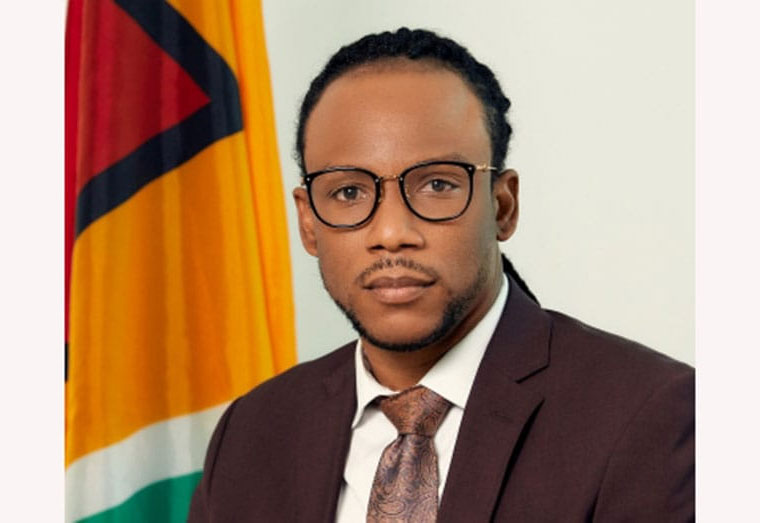
By Jermaine Figueira, MP- My initial reaction to the president’s address is that it was comprehensive and ambitious, addressing a range of national challenges such as cost-of-living relief, infrastructural development, and climate resilience. The speech demonstrated a clear commitment to economic diversification and social inclusion. However, the emphasis on large-scale projects, the free attendance to the University of Guyana, and the proposed cash transfers, among other initiatives, have sparked considerable discussion regarding their feasibility, particularly in light of potential governance and execution gaps.
In this piece, I will focus on what has captured the public’s attention and ignited a national conversation the proposed cash transfer of GYD 200,000 to each Guyanese household.
Firstly, the decision to provide direct cash transfers to citizens is not only a commendable gesture but also an implicit acknowledgment of the growing impact of the cost-of-living crisis on Guyanese. It affirms the merit of Dr. Clive Thomas’ long-advocated proposal for direct cash transfers. Additionally, research from institutions such as the Massachusetts Institute of Technology (MIT), the World Bank, and other leading universities has consistently demonstrated that direct cash transfers to households can offer a variety of social and economic benefits such as increased economic activity, provides a boost to Local businesses, etc.
It is crucial for consideration to be taken into account the need to establish measures to prevent price gouging, the act of raising prices unreasonably on essential goods and services in response to the increased purchasing power of citizens. Without such safeguards, businesses may artificially inflate prices, effectively diminishing the benefit of the cash transfers and further exacerbating the cost-of-living crisis.
It is important to acknowledge that the government’s desire to alleviate the burden on those most affected by rising living costs is laudable. However, this approach demands careful scrutiny to ensure it achieves the intended positive impact.
The promised GYD 200,000 per Guyanese household, amounting to GYD 60 billion to be injected into the economy for an estimated 300,000 households, is indeed worth reflecting on.
It is important to acknowledge that while this one-time disbursement will provide immediate relief to those grappling with escalating costs, particularly households earning less than GYD 100,000 monthly, it remains a short-term solution. The transfer will enable recipients to prioritize their spending on essential needs such as food, housing, transportation, and healthcare.
However, without accompanying structural reforms such as greater investments in agriculture to reduce food imports, and boost locally grown products, enhanced energy supply, create more jobs and increase wage to ensure a livable income, the underlying drivers of rising living costs will persist. Consequently, the benefits of these one-off payments risk being negated in the long term by continued inflation and economic pressures.
The proposed cash distribution raises several critical questions. Firstly, is the amount sufficient and where is the money, given that the budget does not cater for this? According to initial reports, households will be identified via utility bills from GPL or GWI. But what about those who are not connected to the national grid or do not receive water from GWI? Vice President Jagdeo has suggested that there are 240,000 households nationwide, with an additional 60,000 households in hinterland communities. However, many would argue that the actual number of primary households exceeds this figure. Further, we must consider the communities on grids separate from GPL like Linden, Kwakwani, Ituni and communities where house lots have been distributed and homes built without formal utility connections, as well as informal settlements and squatting areas, where many reside in unrecognized primary and secondary households. Will these households be included or excluded from the cash transfer? If they are included, will the GYD 60 billion be sufficient?
While the intention behind this proposal is undoubtedly positive, will it truly achieve its goal of assisting the most vulnerable and those most affected by the rising cost of living? Few would decline financial assistance, but should every household receive the same amount, given the stark disparity between high-income earners those making over GYD 1 and 2 million dollars per month and those earning less than GYD 100,000? A more equitable approach might involve distributing the funds proportionally, with greater amounts going to those in lower-income brackets, including informal workers such as vendors, transportation providers, and small-scale farmers.
Additionally, the government could complement the cash transfer program by working with the Ministry of Agriculture and private farmers to supply households with fertilizer, gardening tools, and seedlings for quick-yield crops. This would foster greater self-reliance, help stabilize market prices, and reduce inflationary pressures. In this “hand wash hand” approach, citizens would be empowered to contribute to their own well-being while also easing the overall cost-of-living crisis.
Concerns about the distribution process, particularly in light of the challenges experienced during the COVID-19 grant disbursements, must be addressed to prevent any mismanagement or disenfranchisement. A transparent and efficient system will be crucial to avoid repeating past mistakes.
The President’s vision for fostering economic growth and social inclusion is one I largely share. However, I diverge on the means by how resources are distributed, as well as the speed at which these goals can be realized without risking unsustainable debt or over-dependence on oil revenues. I believe a more measured approach, with a stronger focus on diversification outside the oil sector, may better serve the long-term interests of the country.
There is much more to unpack from the President’s address, which I will explore in future discussions.