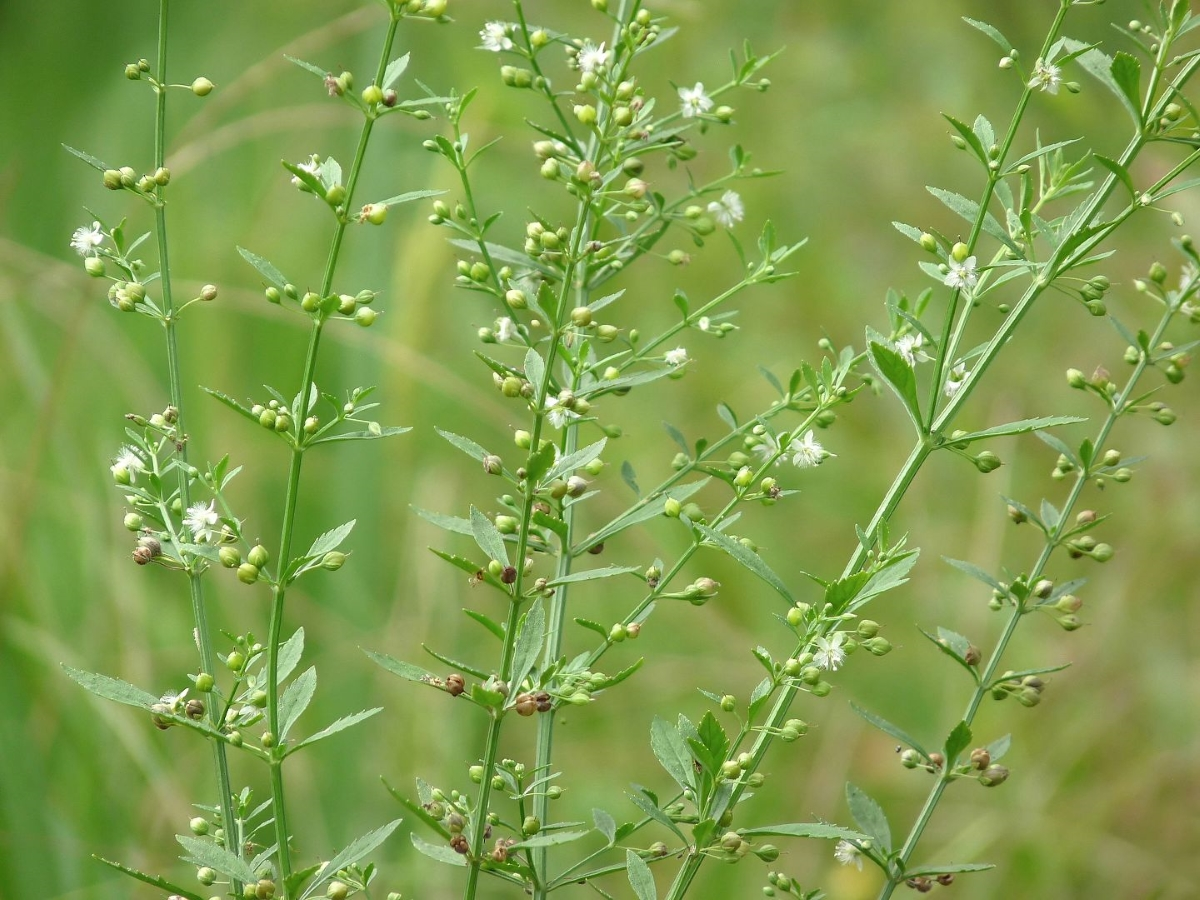
| A local remedy, the Sweetbroom herb has been used for many generations in Guyana to ‘bitter your blood’. It is not only used locally but in traditional medicine across the globe. The herb is known by a number of names including licorice weed, goatweed, riceweed, bitterbroom, and scoparia-weed. It is also called tapeiçava, tapixaba, and vassourinha, escobillo and tipychä kuratu but the scientific name of Sweet-broom is Scoparia dulcis. While the plant is generally considered a weed, and has been naturalised in the tropics and subtropics.
Origin of Sweetbroom The plant is native to the Neotropics which includes North America, Central America, South America and parts of the West Indies. Sweetbroom can be found in countries such as Brazil, Guyana, India, Bangladesh and Myanmar. The plant also grows in citrus groves in Florida where it is considered a weed. Traditional Uses of Sweetbroom§ In India, Sweetbroom plants (Scoparia dulcis) have been used for diabetes. § It is used to treat hypertension in Taiwan. § In Siddha traditional medicine, it is used to treat kidney stones but requires a rigorous diet method. § Sweetbroom is commonly used in Brazil to treat wounds and haemorrhoids. § The entire plant is used in the treatment of colds, coughs, nausea, fevers, dizziness. § For snakebites and cassava intoxication, Sweetbroom may be used as an antidote. § Sweetbroom has been traditionally used to treat a number of stomach ailments such as stomachache and diarrhoea. § Skin problems like ulcers, bruises, pimples, eczema and impetigo can be treated by externally using fresh or dried plants. § Combined with milk, it relieves vomiting in infants. § Indigenous tribes of Nicaragua use hot water infusion and/or decoction of Sweetbroom leaves or the entire plant to treat heart problems, fevers, insect bites, malaria, stomach disorders, liver disorders, menstrual disorders, and venereal disease. § A decoction of the plant may be used to treat gonorrhoea and to induce labour. § Sweetbroom may help to relieve pain and urinary tract infections. § In Guyana, boiling and drinking Sweetbroom is used to treat thrush or yeast infection in adults. § In Martinique and Trinidad, the plant treats skin rashes. § Sweetbroom is used to kill lice and fleas in Paraguay and to protect against vermin. § When made into a tea, Sweetbroom helps to purify the blood. Interesting Tip § In the Tamil language, Sweet-broom is called ‘kallurukki’, which means stone melter. Culinary Uses of Sweetbroom§ The leaves and young shoots of sweet broom (Scoparia dulcis) are used as vegetables. § The seeds, soaked in water to prepare an infusion, makes a cool drink. § It is believed that adding bunches of the branch in drinking water keeps the iced water cool. Other Uses of Sweetbroom§ In some cases, Sweetbroom has been used as a binder. § The bushy stems make temporary brooms, good for sweeping. About SweetbroomWhile the perennial plant is becoming less common, Sweetbroom is among the top Guyanese natural folk remedies. Commonly used to bitter the blood, this perennial herb boasts of a number of traditional remedies. It is used for treating coughs, colds, stomach ailments and even kidney stones. (Sarika Prasad: Thingsguyana.com)
|
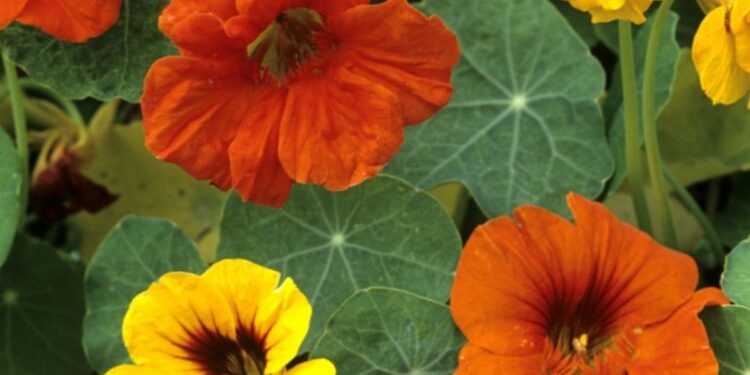
Nasturtium
Nasturtium is a plant. The parts that grow above the ground are used to make medicine. People take nasturtium in...
Read moreDetails